← Year 6 art worksheets

Year 6 Charting self: exploring portrait and identity worksheet

“Colour That Shows Feeling” is free to print, with no account. It is the first sheet in the Year 6 art unit “Charting self: exploring portrait and identity”, for children aged 10 to 11, and takes about 20 minutes.

Print it on A4. The child's pages come first; the answers, and what each wrong answer tells you, are on the grown-up page that follows. Weeks 33 to 36 of the year, 4 sheets in the unit.

Free sample · answers on the last page

Colour That Shows Feeling

Name: ____________ · Date: ____________
Year 6 · Art & design · about 20 minutes
Answers are on the grown-up page

Today I can choose colour and empty space to show a feeling in a portrait.

A Look back2 min

  1. 1.

    Circle the colours that you can make by mixing two other colours.

    redyellowblueorangegreenpurple
    orangegreenpurpleredyellowblue
  2. 2.

    This tone ladder runs from lightest at step 1 to darkest at step 5. Which step is the middle tone, halfway between the two?

    lightestdarkest
  3. 3.

    Which is darker, grey or white? Circle it.

    greywhite

B Watch me, then you4 min

Ola wants her portrait to feel calm and soft. She mixes white into blue to make a paler blue.

Watch me

Blue is the colour she starts with.

White is added to blue, a little at a time.

The paler blue is a pastel tint, soft and gentle.

Now you
  1. 1.

    Mia mixes white into orange to make a soft, pale orange. Which word names this? Circle it.

    pastel tintcolour washpigmentrestraint
  2. 2.

    Sam paints a thin, watery layer over the whole paper first. What is that layer called? Circle it.

    colour washrestraintpigmentpastel tint

C Your turn6 min

Look at the swatches. Circle the colour the two paints make together.

  1. 1.

    Red and yellow make . Circle it.

    orangegreenpurple
  2. 2.

    Blue and yellow make . Circle it.

    orangegreenpurple
  3. 3.

    Red and blue make . Circle it.

    orangegreenpurple
  4. 4.

    To make a soft, pale tint of red, you add . Circle it.

    whiteblackmore red

Say it out loud: What changed from one row to the next, and what stayed the same?

D Spot the mistake3 min
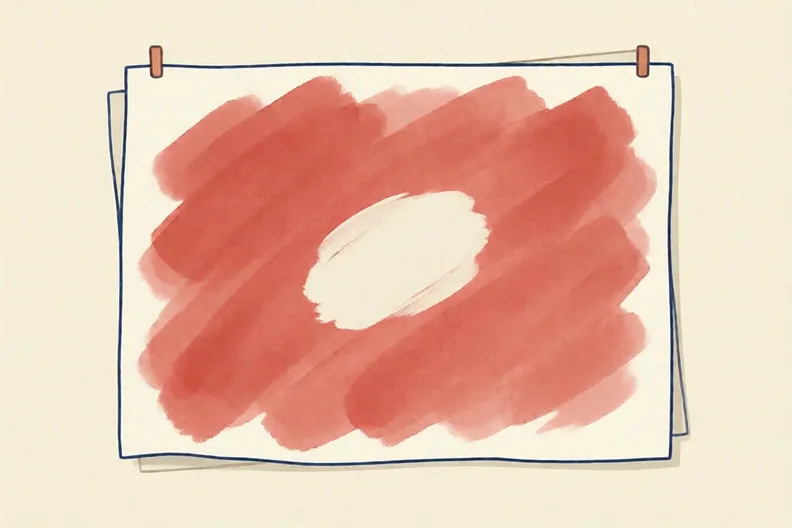
A sheet of card with a soft red wash drying across it and a pale oval left unpainted in the centre
Kit says: “A portrait only shows who someone is if it looks like a photo.”
  1. 1.

    Is Kit right? Circle the answer that fits.

    Yes, it must look like a photoNo, colour and marks can show who someone is

E Think deeper4 min

Pick a feeling you could paint, like calm, anger or joy. Keep it in mind as you answer.
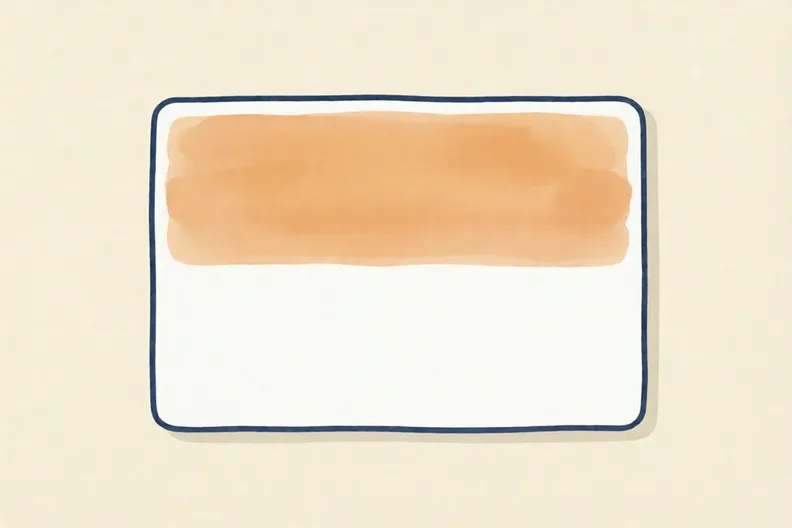
Plain card with one soft warm wash across the top half and bare card below.
  1. 1.

    Write your emotion, the colour you would use for your wash, and one place you would leave unpainted and why.

How did it feel?1 min

I can do it Nearly Not yet
StudyDen · Year 6 · Art & design · Charting self: exploring portrait and identityAnswers are on the grown-up page

For the grown-up

Colour That Shows Feeling · 2 minutes to read

Answers, and what a wrong one tells you

A

1. orange, green, purple If your child circles red, ask which colours they would mix to make it. Red cannot be made from other paints. Look at the primary colours again.

2. 3

3. grey

B

1. pastel tint If your child circles pigment, remind them pigment is the colour substance itself. A pale colour made with white is a pastel tint.

2. colour wash

C

1. orange If your child circles green, they may have mixed blue and yellow. Point to the two swatches and ask which colours sit side by side.

2. green If your child circles purple, they may be thinking of red and blue. Ask them to say which two swatches are on the card.

3. purple If your child circles orange, they may be remembering red and yellow. Ask which colour is in the second swatch.

4. white If your child circles black, that makes a darker tone. A pastel tint is paler, so white is the one to add.

D

1. No, colour and marks can show who someone is If your child circles yes, they think a portrait must look real. Show them a plain wash and ask what it tells them about a mood or a person.

E

1. Look for: A named emotion, a colour that fits it, and a place left unpainted with a reason that links to the feeling.

Words to use

Say“Which colour did you choose for your wash, and what feeling does it give you? What did you leave empty, and why?”
Instead of“Make the face look more like a photo so people can tell who it is.”

After the sheet

Put three cups of water on the table, each with a drop of food colouring in it. Wash one sheet of paper with one colour, then ask what feeling it gives and where to leave the paper bare.

Tick what your child got right in StudyDen. Anything missed comes back in a later Look back box, so there's no need to redo the sheet.

The rest of this unit

3 more sheets come with a StudyDen plan, in teaching order:

  1. Surfaces that hold stories(with a plan)
  2. Patterns That Carry Meaning(with a plan)
  3. Dots, Relief and Colour(with a plan)

Every Year 6 art worksheet

The worksheets plan opens a printable sheet for every lesson in Years 1 to 6, each with its answers on a separate page for you. It costs £6.99 a month or £59 a year for the whole family, with no free trial.

The full StudyDen plan adds the lessons themselves, marked as your child works, with the worksheets included. It is 7 days free, then £29.99 a month.

Both start with a free account; you choose the plan when you sign up.