← Year 6 art worksheets

Year 6 War and conflict in art: textiles worksheet

“Art and conflict” is free to print, with no account. It is the first sheet in the Year 6 art unit “War and conflict in art: textiles”, for children aged 10 to 11, and takes about 20 minutes.

Print it on A4. The child's pages come first; the answers, and what each wrong answer tells you, are on the grown-up page that follows. Weeks 15 to 20 of the year, 6 sheets in the unit.

Free sample · answers on the last page

Art and conflict

Name: ____________ · Date: ____________
Year 6 · Art & design · about 20 minutes
Answers are on the grown-up page

Today I can choose media that show a quiet or bold mood in art about conflict.

A Look back3 min

  1. 1.

    Mix red paint and blue paint. Circle the colour you get.

    redblue
    purplegreenorange
  2. 2.

    On a tone ladder, which end is the lightest? Circle one.

    lightestdarkest
    the end with whitethe end with black
  3. 3.

    Mix yellow paint and red paint. Circle the colour you get.

    yellowred
    orangegreenpurple

B Watch me, then you4 min

Ali draws a poppy with a bold, powerful mood. He uses a tone ladder to plan how dark his marks should be.

Watch me
lightestdarkest

A tone ladder goes from white at one end to black at the other.

Ali wants a bold, powerful poppy, so he chooses thick charcoal.

He presses hard to make the darkest tones, so the marks feel loud and heavy.

Now you
  1. 1.

    Maya wants a quiet, sad mood for a paper crane. Circle the better medium.

    redgrey
    soft grey pencilbright red paint blobs

C Your turn6 min

Look at the poppy in the jar. Then answer each question, one at a time.
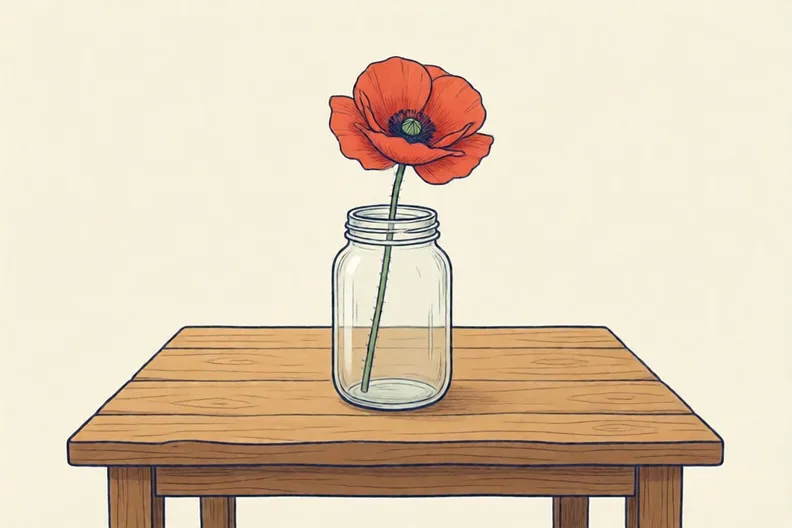
A single red poppy in a plain glass jar on a wooden table
  1. 1.

    Join each medium to the mark it makes best.

    pencilwatercolourcharcoaloil pastel
    thick, bright, bold colourpale, watery washsoft, smudgy black darkfine, sharp line
  2. 2.

    Which mark gives the darkest, heaviest shadow? Circle one.

    lightestdarkest
    pale watercolour washsoft pencil lineblack charcoal smudge
  3. 3.

    Put each card under the mood it suits best.

    soft grey pencil linespale blue cornflower in watercolourthick red oil pastel poppiesbright red paint splashes
    Quiet and reflectiveBold and powerful
  4. 4.

    The poppy is a symbol that helps people remember those who died in war. Name a medium that would draw it with a quiet mood, and say why in one sentence.

Say it out loud: Which medium gives the quietest mark, and which gives the boldest? What changed between the two?

D Spot the mistake3 min
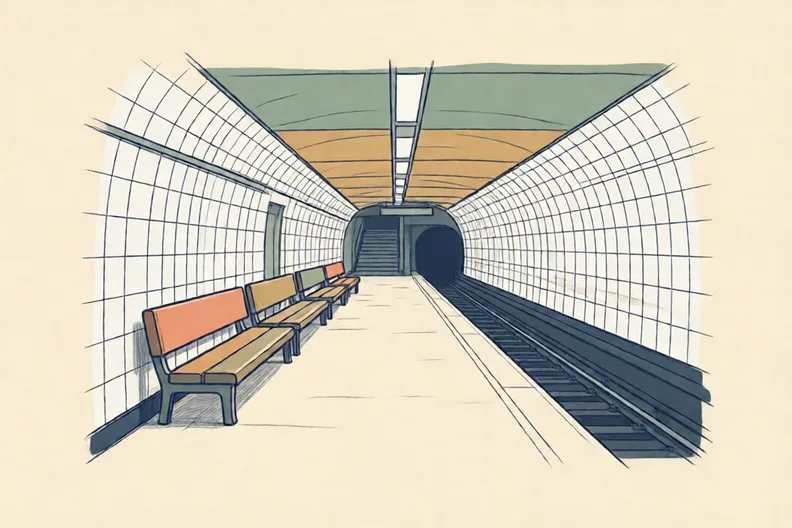
An empty underground platform with curved white tiled walls
Lou says: “Artists rarely make art about war, so you will not find any.”
  1. 1.

    In the Second World War, Henry Moore drew Londoners sheltering from bombs in Underground stations like this one. Tell Lou what is wrong with her claim in one sentence.

E Think deeper4 min
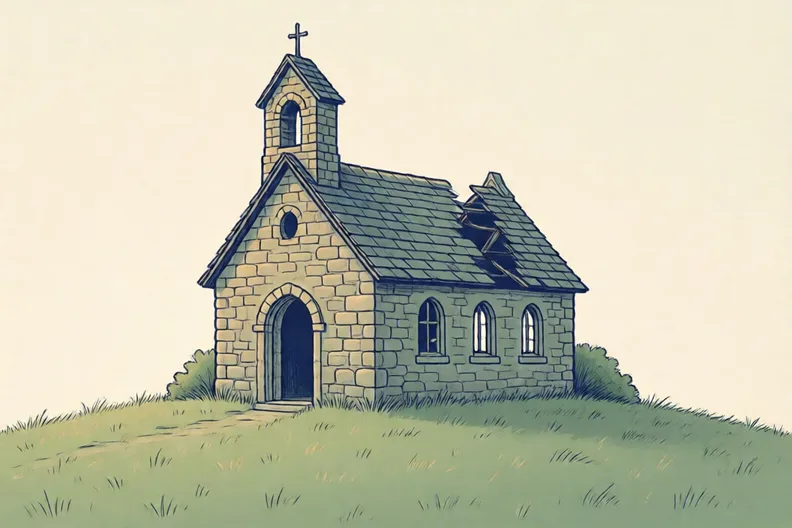
A stone church with a broken roof on a grassy hill
  1. 1.

    Two artists draw the same ruined church. One uses thick black charcoal. One uses pale watercolour. Which drawing says more about loss? Explain how you know.

How did it feel?

I can do it Nearly Not yet
StudyDen · Year 6 · Art & design · War and conflict in art: textilesAnswers are on the grown-up page

For the grown-up

Art and conflict · 2 minutes to read

Answers, and what a wrong one tells you

A

1. purple If they circled green, they may be thinking of blue and yellow. Ask which two colours are in the swatches and which colour they make together.

2. the end with white If they circled the black end, ask them to point to the step that looks paler. Light tones sit near the white end.

3. orange If they circled green, they may have mixed yellow with blue. Ask which colour is in the swatches instead of blue.

B

1. soft grey pencil If they circled the red paint, ask what mood loud red blobs make. Bold red suits a powerful mood, but Maya wants quiet. Pencil lines feel softer.

C

1. pencil → fine, sharp line; watercolour → pale, watery wash; charcoal → soft, smudgy black dark; oil pastel → thick, bright, bold colour If the marks are mixed up, ask them to press a pencil and then a crayon on scrap paper. Which one makes the sharper line?

2. black charcoal smudge If they circled the pencil line, ask which step on the ladder is darkest. Pencil can go dark, but charcoal goes darker and heavier.

3. Bold and powerful: thick red oil pastel poppies, bright red paint splashes · Quiet and reflective: soft grey pencil lines, pale blue cornflower in watercolour If a card sits in the wrong column, ask them to say the mood out loud. Does the mark feel soft and still, or loud and strong?

4. Look for: A named quiet medium for drawing the poppy, such as pencil or watercolour, and a reason linked to a quiet, thoughtful mood.

D

1. Look for: Says artists often make art about war, using an example such as Henry Moore's drawings of people sheltering in the Underground during the Blitz. If your child only says Lou is wrong, ask what Henry Moore drew in stations like the one in the picture, and why.

E

1. Look for: A comparison of thick black charcoal and pale watercolour, a clear choice of which says more about loss, and a reason based on the mark or the mood.

Words to use

Say“Which mark would feel quietest to you? What makes you think so?”
Instead of“Tell them which medium is the right one, so they do not have to decide.”

After the sheet

Find three pencils or crayons. Take turns to press each one lightly, then hard, on scrap paper. Talk about which marks feel quiet and which feel loud.

Tick what your child got right in StudyDen. Anything missed comes back in a later Look back box, so there's no need to redo the sheet.

The rest of this unit

5 more sheets come with a StudyDen plan, in teaching order:

  1. Designing your arpillera(with a plan)
  2. Templates from Drawings(with a plan)
  3. Stitch Your Story(with a plan)
  4. Exploring Needle Felting(with a plan)
  5. Refine your arpillera(with a plan)

Every Year 6 art worksheet

The worksheets plan opens a printable sheet for every lesson in Years 1 to 6, each with its answers on a separate page for you. It costs £6.99 a month or £59 a year for the whole family, with no free trial.

The full StudyDen plan adds the lessons themselves, marked as your child works, with the worksheets included. It is 7 days free, then £29.99 a month.

Both start with a free account; you choose the plan when you sign up.