← Year 6 art worksheets

Year 6 New Pop Art: sculpture and mixed-media worksheet

“Where Pop Art Began” is free to print, with no account. It is the first sheet in the Year 6 art unit “New Pop Art: sculpture and mixed-media”, for children aged 10 to 11, and takes about 22 minutes.

Print it on A4. The child's pages come first; the answers, and what each wrong answer tells you, are on the grown-up page that follows. Weeks 21 to 26 of the year, 6 sheets in the unit.

Free sample · answers on the last page

Where Pop Art Began

Name: ____________ · Date: ____________
Year 6 · Art & design · about 22 minutes
Answers are on the grown-up page

Today I can explain where Pop Art came from and why it asked a serious question.

A Look back3 min

  1. 1.

    Mix red and yellow paint. Circle the colour you make.

    orangepurplegreen
  2. 2.

    Circle the primary colours.

    redorangebluegreenyellow
  3. 3.

    This tone ladder goes from white to black. Which step is the darkest? Write its number.

    lightestdarkest

B Watch me, then you4 min

In the 1950s, new kinds of mass media filled everyday life. Read the timeline, then try the next question.

Watch me
19501955196019651970Pop Art beginsSoup can show

Pop Art starts in the 1950s, as mass media grows.

In 1962, Warhol shows 32 soup can paintings.

The soup cans make people ask why this counts as art.

Now you
  1. 1.

    Pop Art began in the 1950s. Name one kind of mass media that was growing then.

    19501955196019651970Pop Art begins

C Your turn8 min

Each question changes the artist. Read the question, then circle or join the answer.
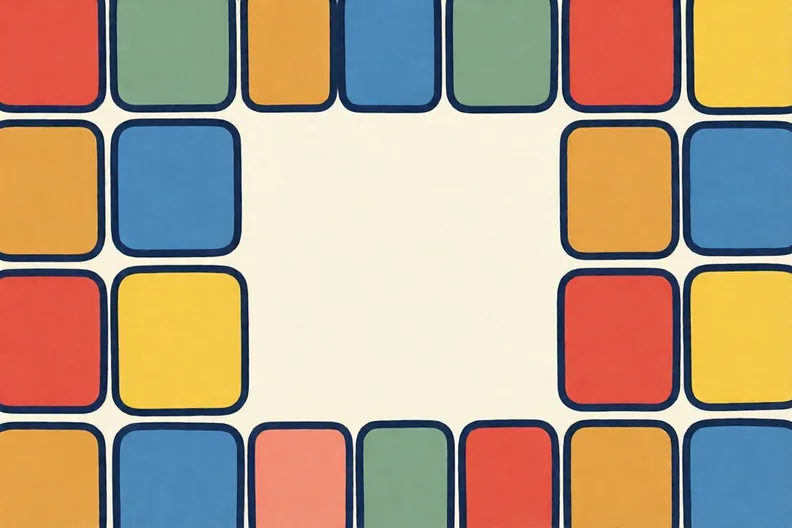
Flat blocks of red, yellow and blue with thick black outlines, like a simple wall pattern
  1. 1.

    Warhol repeated one image over and over, like this grid. Which technique let him copy it many times quickly? Circle the answer.

    screen printingwatercolour washcarving woodclay modelling
  2. 2.

    Roy Lichtenstein painted panels that looked like comic pages. Which feature did he use? Circle the answer.

    thick black outlinessoft blurry edgesrough swirly brushstrokespale watery washes
  3. 3.

    Which artist is known for repeated dots and mirrored rooms? Circle the answer.

    Yayoi KusamaAndy WarholRoy LichtensteinLeonardo da Vinci
  4. 4.

    Join each artist to the feature they are known for.

    Andy WarholRoy LichtensteinYayoi Kusama
    repeated dots and mirror roomsthick black comic outlinesscreen-printed repeated portraits

Say it out loud: What changed from one question to the next, and what stayed the same?

D Spot the mistake3 min
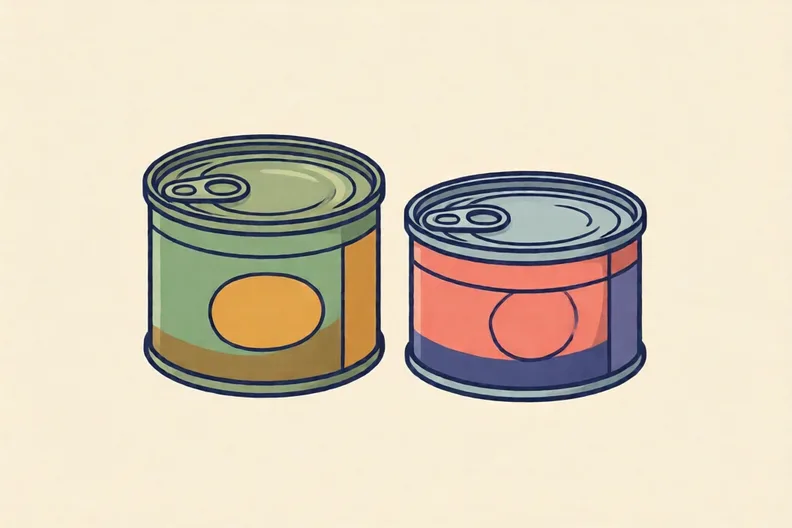
Two plain tins side by side in bright flat colours, drawn simply
Kit says: “Pop Art is just cartoons copied from comics.”
  1. 1.

    Explain why Kit is wrong. Use Warhol's soup can paintings in your answer.

E Think deeper4 min

This grid shows one picture repeated again and again. Warhol repeated his soup can image many times on purpose.

  1. 1.

    Explain why a repeated image in an advert might stick in people's heads. Use the word repetition.

How did it feel?

I can do it Nearly Not yet
StudyDen · Year 6 · Art & design · New Pop Art: sculpture and mixed-mediaAnswers are on the grown-up page

For the grown-up

Where Pop Art Began · 2 minutes to read

Answers, and what a wrong one tells you

A

1. orange If your child circles purple, they may be mixing red and blue. Point to the two swatches and ask which two colours are in the mix.

2. red, blue, yellow

3. 5

B

1. Look for: Names television, billboards, magazine adverts or newspapers as a kind of mass media from the 1950s.

C

1. screen printing If your child circles watercolour, they are thinking of hand painting. Point to the grid and ask how one image gets copied many times quickly.

2. thick black outlines

3. Yayoi Kusama If your child circles Andy Warhol, they are remembering soup cans. Ask what the dots and mirrors have in common, then point to Kusama.

4. Andy Warhol → screen-printed repeated portraits; Roy Lichtenstein → thick black comic outlines; Yayoi Kusama → repeated dots and mirror rooms

D

1. Look for: Says Warhol's soup can paintings were not cartoons, and that Pop Art asked why everyday images count as art. If your child only repeats that Pop Art is cartoons, ask them to name one thing Warhol painted and what question it raised.

E

1. Look for: Links repetition to people seeing an image many times, so they remember it or the product.

Words to use

Say“Which artist's soup cans made people ask what counts as art, and why do you think that was a question?”
Instead of“Pop Art is just cartoons, isn't it?”

After the sheet

Line up five tins or packets from the cupboard in a neat row, then talk about why the design is repeated and what it makes you notice first.

Tick what your child got right in StudyDen. Anything missed comes back in a later Look back box, so there's no need to redo the sheet.

The rest of this unit

5 more sheets come with a StudyDen plan, in teaching order:

  1. Looking closely at Pop Art(with a plan)
  2. Finding and Researching Sources(with a plan)
  3. Sketching ideas on paper(with a plan)
  4. Testing Pop Art Ideas(with a plan)
  5. Refining My Final Piece(with a plan)

Every Year 6 art worksheet

The worksheets plan opens a printable sheet for every lesson in Years 1 to 6, each with its answers on a separate page for you. It costs £6.99 a month or £59 a year for the whole family, with no free trial.

The full StudyDen plan adds the lessons themselves, marked as your child works, with the worksheets included. It is 7 days free, then £29.99 a month.

Both start with a free account; you choose the plan when you sign up.