← Year 6 geography worksheets

Year 6 Farms and factories: where does our food come from? worksheet

“How bread reaches your table” is free to print, with no account. It is the first sheet in the Year 6 geography unit “Farms and factories: where does our food come from?”, for children aged 10 to 11, and takes about 20 minutes.

Print it on A4. The child's pages come first; the answers, and what each wrong answer tells you, are on the grown-up page that follows. Weeks 7 to 14 of the year, 8 sheets in the unit.

Free sample · answers on the last page

How bread reaches your table

Name: ____________ · Date: ____________
Year 6 · Geography · about 20 minutes
Answers are on the grown-up page

Today I can name the stages bread goes through from field to shop, and say where food is wasted.

A Look back3 min

  1. 1.

    Which compass point is opposite north? Circle the answer.

    NNEESESWWNW
    NorthSouthEastWest
  2. 2.

    Which square is the pond in? Write the square.

    ABCD1234~N
  3. 3.

    Which month is the wettest in this made-up town? Circle the answer.

    Rainfall in a made-up town (mm)0102030405060JanFebMarApr
    JanFebMarApr

B Watch me, then you4 min

A loaf starts in a wheat field. Here are some of the stages it goes through, in order.
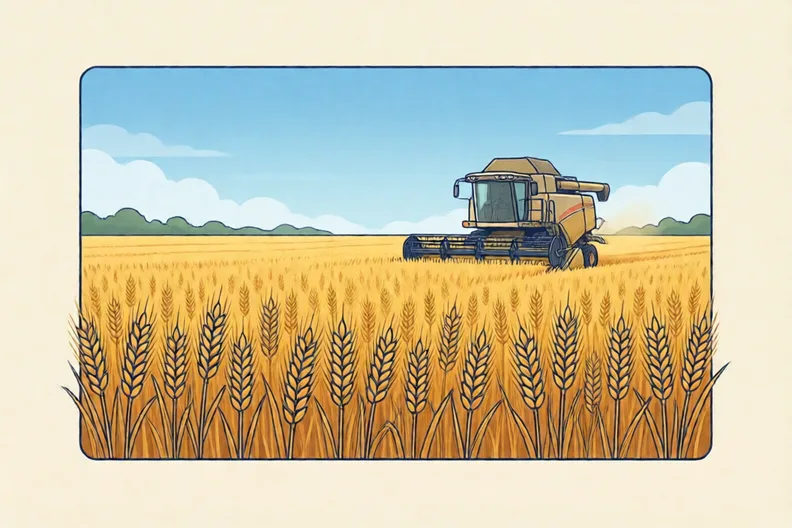
A golden wheat field at the edge of a farm, with a combine harvester far off
Watch me
HarvestMillingBakingShop

Harvest comes first: the wheat is cut in the field.

Milling grinds the wheat into flour.

Baking happens before the bread reaches the shop.

Now you
  1. 1.

    Write the missing stage where loaves are sliced and put into bags.

    HarvestMillingBakingShop
  2. 2.

    Which job does a combine harvester do? Circle the answer.

    Cuts the stalks and separates the grainsBakes the dough in an ovenSells bread to customers

C Your turn6 min

Read the cards and the chains, then answer each question.
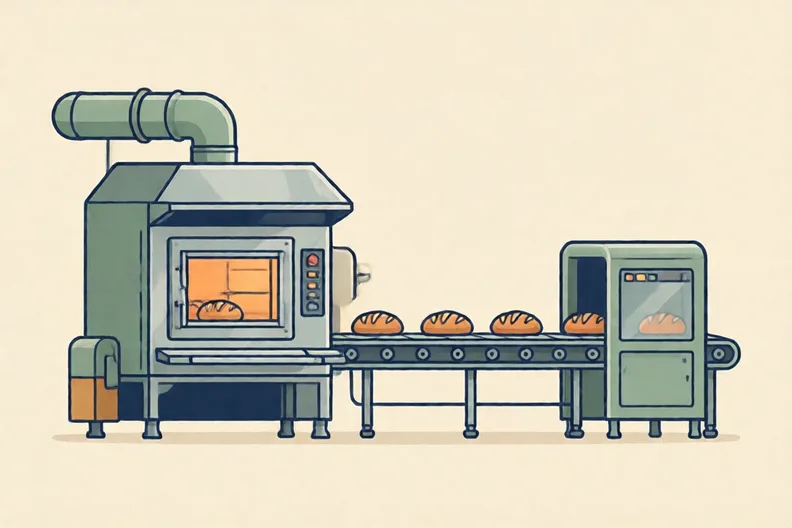
A bakery factory hall with a long line of bread ovens and conveyor belts
  1. 1.

    These cards follow sliced bread made by a big bakery company. Write each card in the right column.

    Wheat is cut from the stalksFlour is mixed with water and yeastDough is baked in an industrial ovenA customer takes a loaf home
    On the farmIn the factoryIn the shop or at home
  2. 2.

    Which stage comes straight after Packaging? Circle the answer.

    CropHarvestProcessingPackaging
    EatingDistributionHarvest
  3. 3.

    Join each stage to what happens there.

    HarvestMillingBaking
    HarvestMillingBaking
    Dough is turned into bread in an ovenWheat is cut from the fieldWheat is ground into flour
  4. 4.

    Write each card in the right column.

    Bread left on the shelf past its dateCrusts left on a plate and thrown awayA loaf eaten at breakfast
    Wasted foodNot wasted

Say it out loud: How did you decide where each stage or card belongs?

D Spot the mistake3 min
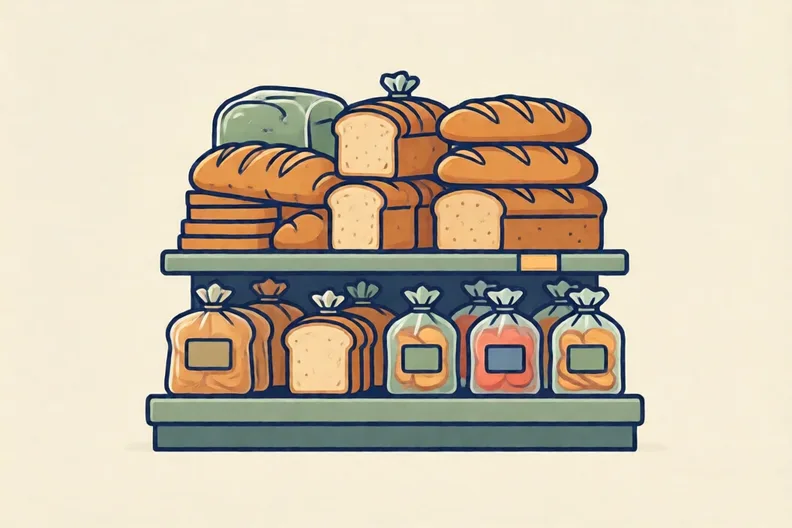
A shop shelf stacked with sliced loaves in plastic bags, no people
Mia says: “Bread starts in the shop. Nobody needs a farm to make it.”
  1. 1.

    Is Mia right? Explain in your own words.

E Think deeper3 min

  1. 1.

    Which stage in this chain do you think uses the most energy? Give two reasons.

    HarvestMillingBakingShopHome

How did it feel?

I can do it Nearly Not yet
StudyDen · Year 6 · Geography · Farms and factories: where does our food come from?Answers are on the grown-up page

For the grown-up

How bread reaches your table · 2 minutes to read

Answers, and what a wrong one tells you

A

1. South

2. Look for: the square B2, letter across the bottom then number up the side

3. Mar

B

1. Look for: the stage Packaging, where loaves are sliced and bagged

2. Cuts the stalks and separates the grains

C

1. On the farm: Wheat is cut from the stalks · In the factory: Flour is mixed with water and yeast, Dough is baked in an industrial oven · In the shop or at home: A customer takes a loaf home If mixing or baking has been put on the farm, ask where the oven and the mixing machines are. These stages happen in a factory.

2. Distribution Circling Eating means they skipped a stage. Bread is delivered to shops before anyone can eat it. Follow the arrows from Packaging one step on.

3. Harvest → Wheat is cut from the field; Milling → Wheat is ground into flour; Baking → Dough is turned into bread in an oven If Milling has been joined to the oven, they have mixed up grinding and baking. Milling turns wheat into flour, and flour is needed before the dough is baked.

4. Not wasted: A loaf eaten at breakfast · Wasted food: Bread left on the shelf past its date, Crusts left on a plate and thrown away If the eaten loaf has gone in the wasted column, ask whether anything was thrown away. Waste means food that is thrown away or never eaten.

D

1. Look for: says Mia is wrong because bread is made from flour milled from wheat grown on farms If they say Mia is right, point back to the chain. The wheat for the flour is grown and cut on a farm before any baking happens.

E

1. Look for: names a stage, such as baking or transport, and gives two reasons linked to energy, machines, heat or distance

Words to use

Say“Which stage comes first, and which comes next? Point to the picture as you say it.”
Instead of“Tell them the answer straight away, or say that bread just comes from the shop.”

After the sheet

Write the steps for making toast on separate scraps of paper, mix them up, and ask your child to put them in order.

Tick what your child got right in StudyDen. Anything missed comes back in a later Look back box, so there's no need to redo the sheet.

The rest of this unit

7 more sheets come with a StudyDen plan, in teaching order:

  1. Processed or not?(with a plan)
  2. Where our food comes from(with a plan)
  3. How far does food travel?(with a plan)
  4. Where the Chocolate Money Goes(with a plan)
  5. Why hunger still exists(with a plan)
  6. Food and the climate(with a plan)
  7. Feeding the Future(with a plan)

Every Year 6 geography worksheet

The worksheets plan opens a printable sheet for every lesson in Years 1 to 6, each with its answers on a separate page for you. It costs £6.99 a month or £59 a year for the whole family, with no free trial.

The full StudyDen plan adds the lessons themselves, marked as your child works, with the worksheets included. It is 7 days free, then £29.99 a month.

Both start with a free account; you choose the plan when you sign up.