← Year 6 geography worksheets

Year 6 Global trade: how do we get our stuff? worksheet

“Where Our T-Shirts Come From” is free to print, with no account. It is the first sheet in the Year 6 geography unit “Global trade: how do we get our stuff?”, for children aged 10 to 11, and takes about 20 minutes.

Print it on A4. The child's pages come first; the answers, and what each wrong answer tells you, are on the grown-up page that follows. Weeks 23 to 28 of the year, 6 sheets in the unit.

Free sample · answers on the last page

Where Our T-Shirts Come From

Name: ____________ · Date: ____________
Year 6 · Geography · about 20 minutes
Answers are on the grown-up page

Today I can say how trade links and patterns on maps show globalisation.

A Look back3 min

  1. 1.

    One point on this compass is blank. Circle the missing point.

    NNEESESWNW
    NESESWNW
  2. 2.

    Which day had the most rain? Circle the answer.

    Rain in a made-up town (mm)012345678910MonTueWed
    MondayTuesdayWednesday
  3. 3.

    What is in square A2 on this map? Circle the answer.

    ABC123~SN
    pondschoolparkhill

B Watch me, then you4 min

A made-up shop got 60 T-shirts. 25 were made in Bangladesh. The rest were made in Vietnam. How many were made in Vietnam?
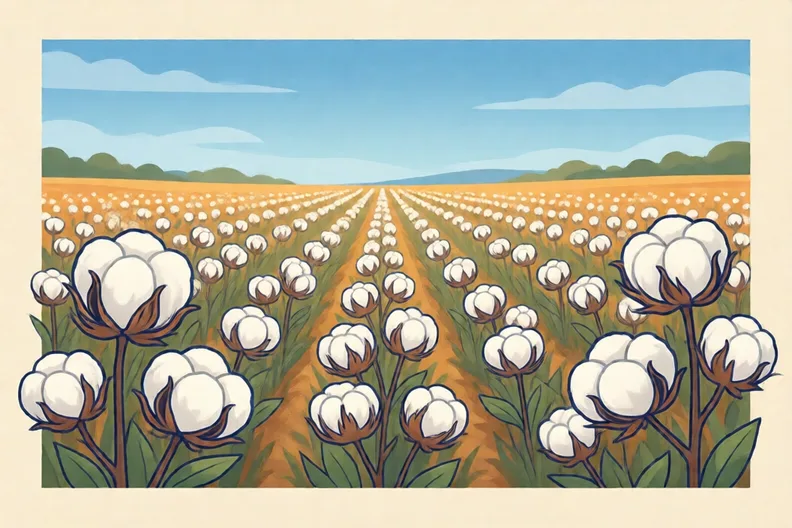
Rows of cotton plants in a warm field under a blue sky
Watch me
602535

The whole is 60. One part is 25.

60 - 25 = 35

35 T-shirts were made in Vietnam.

Now you
  1. 1.

    A made-up shop got 80 T-shirts. 30 were made in Turkey. How many were made in other countries?

    8030

C Your turn7 min

Each chart shows shirts in one made-up shop. Read the bars carefully.

  1. 1.

    Which country made the most shirts in this made-up shop? Circle the answer.

    Shirts made in each country (made-up shop)051015202530354045ChinaIndiaBangladeshVietnam
    ChinaIndiaBangladeshVietnam
  2. 2.

    In this made-up shop, how many more shirts came from India than from China?

    Shirts from four countries (made-up shop)0510152025303540ChinaIndiaBangladeshVietnam
  3. 3.

    Write the four numbers from this chart, smallest first.

    Shirts from four countries (made-up shop)02468101214161820222426283032TurkeyVietnamChinaIndia
  4. 4.

    Which square has the farm on this map? Circle the answer.

    ABC123N
    A2B2C2C3

Say it out loud: Which bar did you look at first, and how did you know which one was the tallest?

D Spot the mistake3 min
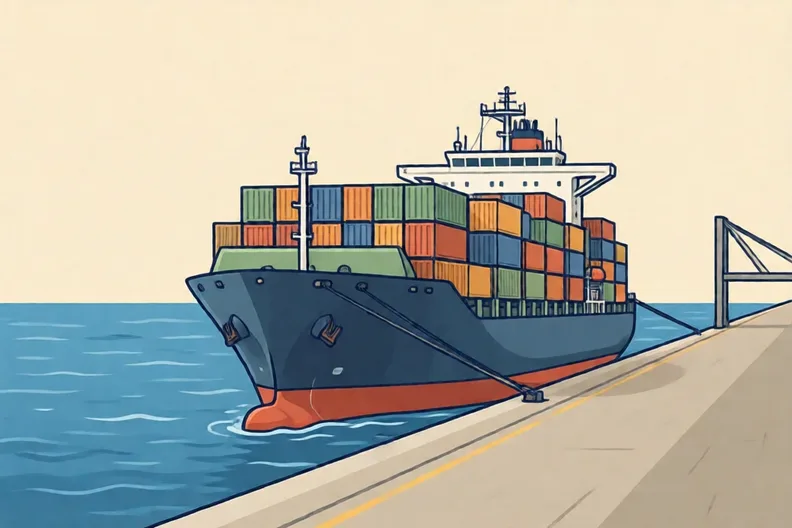
A large container ship docked beside a quay
Kit says: “Globalisation just means countries are getting richer.”
  1. 1.

    Is Kit right? Explain in one or two sentences.

E Think deeper4 min
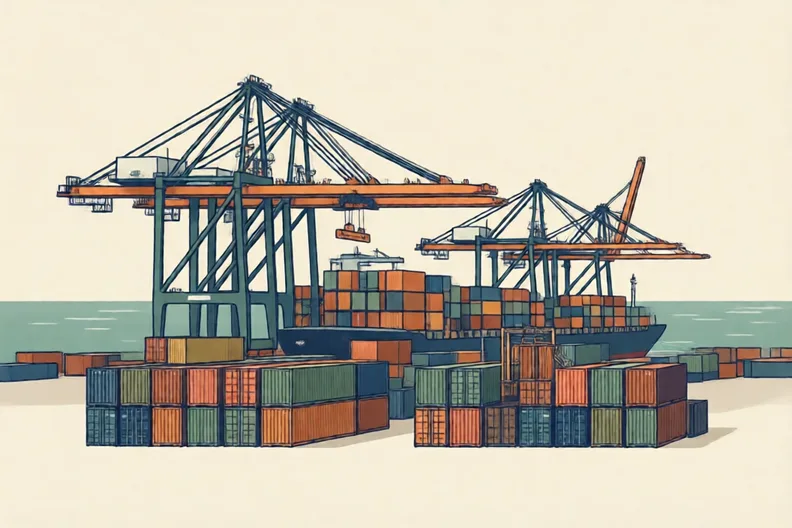
Cranes beside stacked containers at a busy port
  1. 1.

    Many clothes are made in Asia. Look at the cotton field and the busy port on this sheet. Give two reasons why clothes might be made there.

How did it feel?

I can do it Nearly Not yet
StudyDen · Year 6 · Geography · Global trade: how do we get our stuff?Answers are on the grown-up page

For the grown-up

Where Our T-Shirts Come From · 2 minutes to read

Answers, and what a wrong one tells you

A

1. SW

2. Tuesday

3. pond

B

1. 50 your child may have added 80 and 30, which gives 110. Ask whether the Turkey T-shirts are part of the 80 or extra. Take them away from the whole.

C

1. China your child may have picked Bangladesh, the second tallest bar. Ask them to run a finger along the top of each bar until they find the highest.

2. 15 your child may have added 35 and 20, which gives 55. Ask: is this asking how many in total, or how far apart the two bars are?

3. 6, 12, 18, 30

4. C2 your child may have picked C3, going up one square too far. Ask them to find the letter along the bottom first, then go up to the number.

D

1. Look for: Says Kit is wrong because globalisation is about nations linking up with one another, not about being richer or more developed. If your child says Kit is right, they are mixing up trade links with wealth. Ask: does a trade link show a country is richer, or only that it is linked to another?

E

1. Look for: Two sensible reasons, such as cotton growing nearby, big ports to ship clothes out, large factories, cheaper labour or trade deals.

Words to use

Say“Look at the label inside one of your T-shirts first. Where do you think it was made, and how far did it travel?”
Instead of“Just tell them the answer.”

After the sheet

Look at the labels on five things at home and write down the country each was made in. Then point to each one on an atlas map and say which is furthest away.

Tick what your child got right in StudyDen. Anything missed comes back in a later Look back box, so there's no need to redo the sheet.

The rest of this unit

5 more sheets come with a StudyDen plan, in teaching order:

  1. Goods in, goods out(with a plan)
  2. Where does your food start?(with a plan)
  3. A phone's journey(with a plan)
  4. Goods on the move(with a plan)
  5. Who is responsible?(with a plan)

Every Year 6 geography worksheet

The worksheets plan opens a printable sheet for every lesson in Years 1 to 6, each with its answers on a separate page for you. It costs £6.99 a month or £59 a year for the whole family, with no free trial.

The full StudyDen plan adds the lessons themselves, marked as your child works, with the worksheets included. It is 7 days free, then £29.99 a month.

Both start with a free account; you choose the plan when you sign up.