← Year 1 English worksheets

Year 1 Word class worksheet

“Naming words with capitals” is free to print, with no account. It is the first sheet in the Year 1 English unit “Word class”, for children aged 5 to 6, and takes about 24 minutes.

Print it on A4. The child's pages come first; the answers, and what each wrong answer tells you, are on the grown-up page that follows. Weeks 1 to 3 of the year, 8 sheets in the unit.

Free sample · answers on the last page

Naming words with capitals

Name: ____________ · Date: ____________
Year 1 · English · about 24 minutes
Answers are on the grown-up page

Today I can tell common nouns from proper nouns and start names with capitals.

A Look back3 min

  1. 1.

    Which sentence is written correctly? Circle one.

    thedogran
    the dog ran home.The dog ran home.The dog ran home
  2. 2.

    Which word rhymes with cat? Circle one.

    catsat
    matdogpen
  3. 3.

    Put these steps in order. Write 1, 2, 3 in the boxes.

    1. Write the words.
    2. Start with a capital letter.
    3. End with a full stop.

B Watch me, then you4 min

Ali went to Leeds. Ali is a name for one boy. Leeds is one special city. Both names need a capital letter.

Watch me
AliwenttoLeeds

Ali is one special person, so it is a proper noun.

Leeds is one special place, so it is a proper noun too.

Boy and city are common nouns. They name any boy or any city, so they need no capital letter.

Now you
  1. 1.

    Ravi got a bike. Which word is a proper noun? Circle one.

    gotabike
    bikeRavigot

C Your turn8 min

Read each row carefully, then answer.
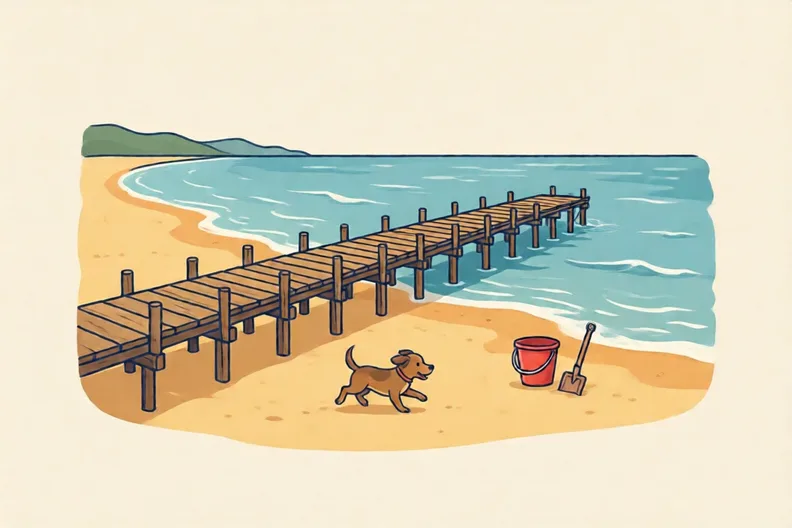
A sandy beach with a pier, a dog, a bucket and a spade
  1. 1.

    Which word is a proper noun? Circle one.

    one specialplacecapitalletter
    cityLondonriver
  2. 2.

    Which word is a common noun? Circle one.

    RaviThamesbridge
  3. 3.

    Which sentence is written correctly? Circle one.

    We went to york.We went to York.We Went to York.
  4. 4.

    Write each word in the right column.

    ballSamparkCardiff
    Common nounProper noun

Say it out loud: Which words name one special person or place? Why do they keep capitals?

D Spot the mistake3 min

A park with tall trees, a bench and a red ball on the grass
Kit writes: “We went to the park in bristol.”
  1. 1.

    Which word should have a capital letter? Circle one.

    parkbristolthe

E Think deeper4 min

A busy train station platform with a red train and a bench
  1. 1.

    Make a sentence with a common noun and a proper noun. Read it aloud.

How did it feel?

I can do it Nearly Not yet
StudyDen · Year 1 · English · Word classAnswers are on the grown-up page

For the grown-up

Naming words with capitals · 2 minutes to read

Answers, and what a wrong one tells you

A

1. The dog ran home. your child chose a sentence with a small first letter or no full stop. Ask them to check the first letter and the end.

2. mat

3. 1 Start with a capital letter. · 2 Write the words. · 3 End with a full stop.

B

1. Ravi

C

1. London your child chose city. City is a common noun, because it names any city. Ask: which one special place is it?

2. bridge

3. We went to York. your child chose a sentence with a capital letter in the wrong place or missing. York needs one, and went does not.

4. Common noun: ball, park · Proper noun: Sam, Cardiff

D

1. bristol your child chose park. Park is a common noun, because it names any park. Ask: is Bristol one special place?

E

1. Look for: A sentence with one common noun in small letters, such as a place or thing, and one proper noun (a name or place) with a capital letter.

Words to use

Say“Is it one special person or place? Then it needs a capital, even in the middle of a sentence.”
Instead of“Just say ‘remember capitals for names’ and move on.”

After the sheet

Go on a name hunt at home. Find five things, such as a book, a mug or a label. Sort the naming words into common nouns and proper nouns together.

Tick what your child got right in StudyDen. Anything missed comes back in a later Look back box, so there's no need to redo the sheet.

The rest of this unit

7 more sheets come with a StudyDen plan, in teaching order:

  1. Singular and plural nouns(with a plan)
  2. Describing words(with a plan)
  3. Comparing with describing words(with a plan)
  4. Describing words with commas(with a plan)
  5. Doing words(with a plan)
  6. Doing and being verbs(with a plan)
  7. Words that tell how(with a plan)

Every Year 1 English worksheet

The worksheets plan opens a printable sheet for every lesson in Years 1 to 6, each with its answers on a separate page for you. It costs £6.99 a month or £59 a year for the whole family, with no free trial.

The full StudyDen plan adds the lessons themselves, marked as your child works, with the worksheets included. It is 7 days free, then £29.99 a month.

Both start with a free account; you choose the plan when you sign up.