← Year 5 English worksheets

Year 5 The Viewer': narrative writing worksheet

“Reading between the lines” is free to print, with no account. It is the first sheet in the Year 5 English unit “The Viewer': narrative writing”, for children aged 9 to 10, and takes about 20 minutes.

Print it on A4. The child's pages come first; the answers, and what each wrong answer tells you, are on the grown-up page that follows. Weeks 22 to 23 of the year, 8 sheets in the unit.

Free sample · answers on the last page

Reading between the lines

Name: ____________ · Date: ____________
Year 5 · English · about 20 minutes
Answers are on the grown-up page

Today I can explain how a character feels and what they want, using clues from their actions.

A Look back3 min

  1. 1.

    Which part of a story has the problem build up? Circle one.

    BeginningEnd
    beginningmiddleend
  2. 2.

    Number these feelings from calmest (1) to most stormy (3).

    1. furious
    2. calm
    3. worried
  3. 3.

    Which step comes last when you write a story? Circle one.

    PlanWrite
    planwritecheck

B Watch me, then you4 min

A girl is told to wait by the school gate. She keeps checking her watch and biting her nails. How does she feel?
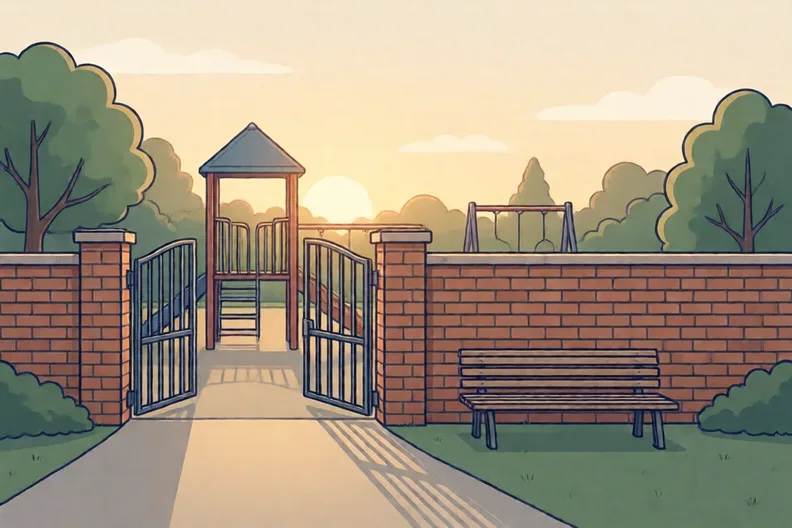
An empty school playground at the end of the day with a half open gate and a bench
Watch me

The action: she checks her watch again and again and bites her nails.

What it tells me: she is anxious about waiting.

Evidence: the watch and the nails are the clues.

Now you
  1. 1.

    A boy in a made-up story slams his bedroom door and throws his book on the floor. How does he feel, and what clue shows it?

  2. 2.

    An old man in a made-up story goes back to check the lock three times before bed. What might he be thinking about?

C Your turn8 min

Read each action. Work out the feeling or the thought behind it.
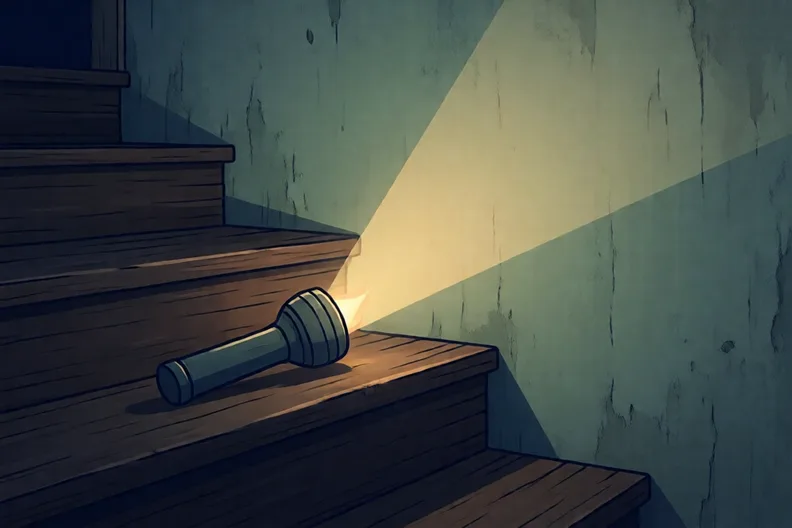
Torch on a dark wooden step at night, its beam lighting a faded wallpaper.
  1. 1.

    Ali’s hands shake and he drops the torch in the dark. How does he feel? Circle one.

    scaredboredproud
  2. 2.

    Mia smiles, claps and hugs her sister at the finish line. How does she feel? Circle one.

    happyworriedtired
  3. 3.

    Noah keeps checking the locked box and does not go out to play. What does he want to do? Circle one.

    find out what is insidego to bedeat his lunch
  4. 4.

    Zara turns the same page back and forth and keeps squinting at the picture. How might she feel, and why?

Say it out loud: Which action was your clue, and what did you think about it?

D Spot the mistake3 min

A grey rubbish dump at the edge of a town with bin bags and an old wooden box
Sam says: “The Viewer is not fantasy, because it is set at a rubbish dump, and dumps are real places.”
  1. 1.

    In The Viewer, a boy called Tristan finds an old box at a dump. Through its lenses he sees scenes from the past. What is wrong with Sam’s idea?

E Think deeper4 min

  1. 1.

    At the end of The Viewer, Tristan has gone, and the story never says where. Give one reason an author might leave this open, and say how it makes you feel.

    ProblemBuild-up

How did it feel?

I can do it Nearly Not yet
StudyDen · Year 5 · English · The Viewer': narrative writingAnswers are on the grown-up page

For the grown-up

Reading between the lines · 2 minutes to read

Answers, and what a wrong one tells you

A

1. middle If they say end, ask what happens in the middle of the story. The problem grows in the middle, and the end shows how it turns out.

2. 1 calm · 2 worried · 3 furious If the order is reversed, ask which feeling sounds like a sunny day and which sounds like a storm.

3. check If they say write, ask what they do after the first draft. Reading back and fixing mistakes comes last.

B

1. Look for: A feeling such as angry or cross, with the slamming door or thrown book given as the clue. If they name a feeling with no clue, ask which action shows it. The clue must come from the story, not from guessing.

2. Look for: A thought such as worry about safety or a break-in, linked to checking the lock more than once. If they say he is just tidy, ask why he checks more than once. Repeated checking points to worry.

C

1. scared If they say bored, ask what the shaking hands show. Shaking and dropping things points to fear.

2. happy If they say worried, ask which action shows that. Smiling and clapping show joy, not worry.

3. find out what is inside If they say go to bed, ask what the repeated checking is about. Motives come from the actions, not from what is easiest.

4. Look for: A feeling such as puzzled, confused or unsettled, with the repeated turning or squinting given as the reason. If they give a feeling with no reason, ask what Zara does that shows it. Ask them to point to the action in the words.

D

1. Look for: Fantasy can include real-feeling places; the magical object or events make the story fantasy. If they agree with Sam, ask what magical thing happens in the story. Explain that real places can sit beside magic.

E

1. Look for: A reason such as keeping readers thinking or leaving them uncertain, plus a feeling or a clue from the story.

Words to use

Say“Which action in the story gave you that idea? Show me the words.”
Instead of“Tell them the feeling straight away, so they never have to find the clue.”

After the sheet

Read a short bedtime story together. Pause at one character and ask: what did they do, and what might they be feeling? Ask for the clue from the words.

Tick what your child got right in StudyDen. Anything missed comes back in a later Look back box, so there's no need to redo the sheet.

The rest of this unit

7 more sheets come with a StudyDen plan, in teaching order:

  1. Building a gloomy setting(with a plan)
  2. Describing a shadowy character(with a plan)
  3. Planning a story's opening(with a plan)
  4. Opening with -ing clauses(with a plan)
  5. Planning Tristan's build-up(with a plan)
  6. Tristan's hidden thoughts(with a plan)
  7. Editing in three passes(with a plan)

Every Year 5 English worksheet

The worksheets plan opens a printable sheet for every lesson in Years 1 to 6, each with its answers on a separate page for you. It costs £6.99 a month or £59 a year for the whole family, with no free trial.

The full StudyDen plan adds the lessons themselves, marked as your child works, with the worksheets included. It is 7 days free, then £29.99 a month.

Both start with a free account; you choose the plan when you sign up.