← Year 5 English worksheets

Year 5 Verb, adjective and noun suffixes worksheet

“Adding -ed to verbs” is free to print, with no account. It is the first sheet in the Year 5 English unit “Verb, adjective and noun suffixes”, for children aged 9 to 10, and takes about 24 minutes.

Print it on A4. The child's pages come first; the answers, and what each wrong answer tells you, are on the grown-up page that follows. Weeks 4 to 6 of the year, 14 sheets in the unit.

Free sample · answers on the last page

Adding -ed to verbs

Name: ____________ · Date: ____________
Year 5 · English · about 24 minutes
Answers are on the grown-up page

Today I can add -ed to verbs to make the past tense, changing the root word when a rule says so.

A Look back3 min

  1. 1.

    What does 'unkind' mean? Circle it.

    kindunkind
    not kindvery kindkind againkindly
  2. 2.

    Which word is the plural of 'pig'? Circle one.

    pig
    pigspiggespig'spies
  3. 3.

    In 'The cat sleeps by the fire', which word is the verb? Circle one.

    naming worddoing worddescribingword
    catsleepsfireby

B Watch me, then you4 min

It rained all afternoon, so Ali and Leo had to stop their football game on the muddy field. Watch how the verb 'stop' turns into its past tense.
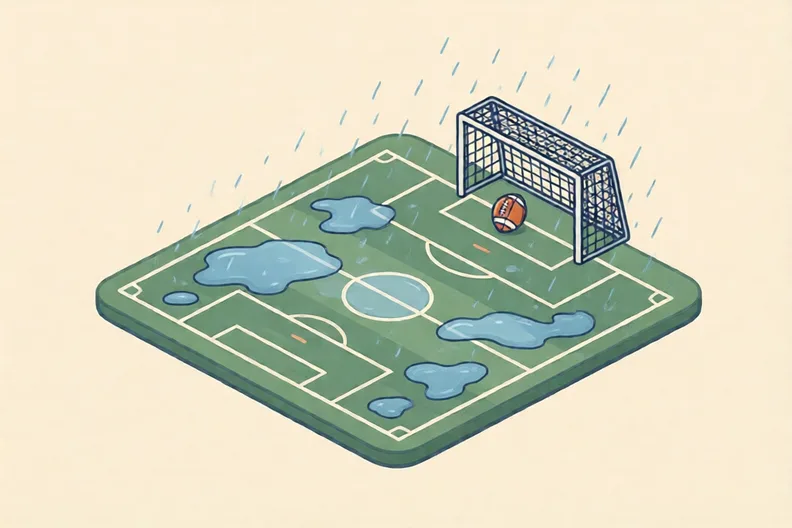
A muddy school field with puddles and a football on wet grass
Watch me
stopstopped

Stop ends in one consonant, p, after one short vowel, o.

So double the p, then add -ed.

stop + p + ed = stopped.

Now you
  1. 1.

    Add -ed to 'plan'. Which is right? Circle one.

    plan
    plannedplanedplan-edplant
  2. 2.

    Add -ed to 'tap'. Which is right? Circle one.

    tap
    tapedtappedtapdtapp

C Your turn8 min

Each row changes one thing. Look at the end of the root word before you choose.

  1. 1.

    Pick the past tense of 'play'. Circle one.

    play
    playedplaydplaiedplaid
  2. 2.

    Write each past tense word in the right column.

    Just add -edRemove e,add -edRemove y,add -iedDouble theconsonant
    walkedsmiledcarriedstopped
    Just add -edRemove e, add -edRemove y, add -iedDouble the consonant, add -ed
  3. 3.

    Pick the past tense of 'carry'. Circle one.

    carry
    carryedcarridcarriedcaried
  4. 4.

    Pick the past tense of 'buy'. Circle one.

    buy
    buyedboughtedboughtbyed

Say it out loud: What happened to the end of the root word in each row? Say the rule in your own words.

D Spot the mistake3 min
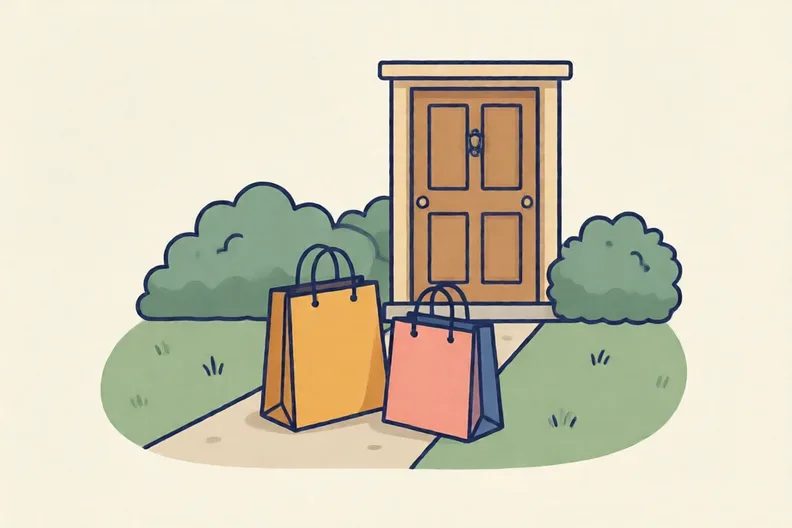
Two shopping bags on a garden path leading to a front door
Mia says: “Yesterday Sam carryed the bags up the path.”
  1. 1.

    Which spelling is right for the past tense of 'carry'? Circle one.

    carryedcarriedcariedcarrid

E Think deeper4 min

  1. 1.

    The verb 'fry' changes when it becomes past tense. Write the past tense, name the rule you used, and give one more verb that follows the same rule.

    fry

How did it feel?

Which -ed rule felt clear, and which one still feels tricky? Tell your grown-up one rule you will remember.

I can do it Nearly Not yet
StudyDen · Year 5 · English · Verb, adjective and noun suffixesAnswers are on the grown-up page

For the grown-up

Adding -ed to verbs · 2 minutes to read

Answers, and what a wrong one tells you

A

1. not kind If your child picks 'very kind', they may think un- means 'more'. Say that un- means 'not' here, as in 'unhappy'.

2. pigs

3. sleeps

B

1. planned If your child picks 'planed', they added -ed but did not double the n. Ask: is there one short vowel and one consonant at the end?

2. tapped

C

1. played

2. Just add -ed: walked · Remove e, add -ed: smiled · Remove y, add -ied: carried · Double the consonant, add -ed: stopped

3. carried If your child picks 'carryed', they kept the y. A y after a consonant changes to i before -ed. Ask them to say the root word, then change the y.

4. bought If your child picks 'boughted', they added -ed to a word that changes. Say that 'buy' becomes 'bought'. Practise the 'ough' spelling with 'thought' and 'fought'.

D

1. carried If your child picks 'carryed', they kept the y. The y changes to i before -ed, so ask which letter the root word ends in.

E

1. Look for: Says fried, names the rule (remove the y, add -ied), and gives another verb ending in consonant plus y, such as dry or cry.

Words to use

Say“Say the root word out loud first. Then ask: what letter is at the end, and what comes before it?”
Instead of“Just remember that it is spelt like that and learn the list.”

After the sheet

Find five past-tense words in a book at home, such as 'walked' or 'stopped'. Ask your child to say the root word, then work out which rule was used.

Tick what your child got right in StudyDen. Anything missed comes back in a later Look back box, so there's no need to redo the sheet.

The rest of this unit

13 more sheets come with a StudyDen plan, in teaching order:

  1. Adding -ing to root words(with a plan)
  2. Plurals with -s and -ies(with a plan)
  3. Plurals with -es and -ves(with a plan)
  4. Making verbs with -en and -ate(with a plan)
  5. Building Verbs with -ify and -ise(with a plan)
  6. Making idea words(with a plan)
  7. Spelling -ary and -ery(with a plan)
  8. Adding -al and -ic(with a plan)
  9. Adding -ful and -less(with a plan)
  10. Hearing the -tion ending(with a plan)
  11. Finding the root word(with a plan)
  12. Spelling words with -able(with a plan)
  13. Spelling words with -ible(with a plan)

Every Year 5 English worksheet

The worksheets plan opens a printable sheet for every lesson in Years 1 to 6, each with its answers on a separate page for you. It costs £6.99 a month or £59 a year for the whole family, with no free trial.

The full StudyDen plan adds the lessons themselves, marked as your child works, with the worksheets included. It is 7 days free, then £29.99 a month.

Both start with a free account; you choose the plan when you sign up.