← Year 6 science worksheets

Year 6 Keeping healthy worksheet

“What a balanced diet does” is free to print, with no account. It is the first sheet in the Year 6 science unit “Keeping healthy”, for children aged 10 to 11, and takes about 20 minutes.

Print it on A4. The child's pages come first; the answers, and what each wrong answer tells you, are on the grown-up page that follows. Weeks 8 to 12 of the year, 12 sheets in the unit.

Free sample · answers on the last page

What a balanced diet does

Name: ____________ · Date: ____________
Year 6 · Science · about 20 minutes
Answers are on the grown-up page

Today I can explain what a diet is and why a balanced one matters.

A Look back3 min

  1. 1.

    This food chain shows what eats what. Which living thing goes in the blank? Circle the right one.

    grasssnail
    thrushgrass
  2. 2.

    This bar chart shows pets in a made-up class. Which pet do the most children have?

    Pets in our class012345678910catsdogsfish
  3. 3.

    A butterfly grows from a caterpillar. Which stage comes straight after the caterpillar? Circle the right stage.

    eggcaterpillarbutterfly
    pupaegg

B Watch me, then you4 min

In a made-up class, children named the food group they ate most at lunch. The bar chart shows the results.

Watch me
Lunch choices in a made-up class012345fruit and vegcarbsprotein

The tallest bar is fruit and veg, with 4 children.

Only 1 child chose protein, the group that helps the body grow and repair.

A balanced lunch has some of each group, not just one.

Now you
  1. 1.

    In a made-up class, 6 children chose fruit and veg and 2 chose carbs. Which of these two groups gives your body most of its energy?

    Lunch choices in a made-up class01234567fruit and vegcarbs

C Your turn5 min

Read each question. Circle the best answer. Look at the plate to help you think.
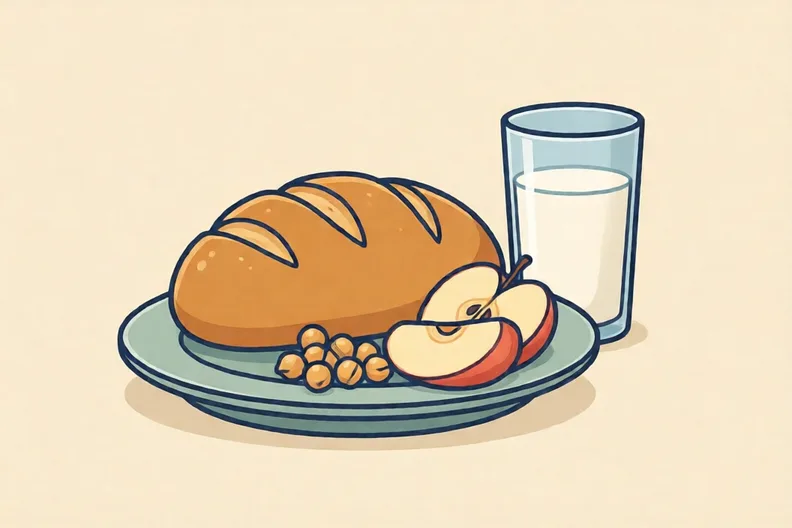
A plate with bread, chickpeas, apple slices and a glass of milk
  1. 1.

    Which nutrient helps your body grow and repair itself? Circle the best answer.

    proteinvitamin Ccarbohydrate
  2. 2.

    Which nutrient keeps your gums healthy and helps cuts heal? Circle the best answer.

    carbohydratevitamin Cprotein
  3. 3.

    Which nutrient do growing bones need, found in milk and cheese? Circle the best answer.

    calciumvitamin Ccarbohydrate
  4. 4.

    Which best describes crisps in a balanced diet? Circle the best answer.

    an essential part of a balanced dietnot essential, but small amounts are fineneeded every day for fuel

Say it out loud: What changed from one question to the next? Which nutrient did each food give us?

D Spot the mistake3 min
Bread, apples and a glass of milk on a kitchen table
Kit says: “The healthiest diet is eating as little as you can, so skipping lunch is good for me.”
  1. 1.

    Write one sentence to tell Kit what a healthy diet really is.

E Think deeper4 min
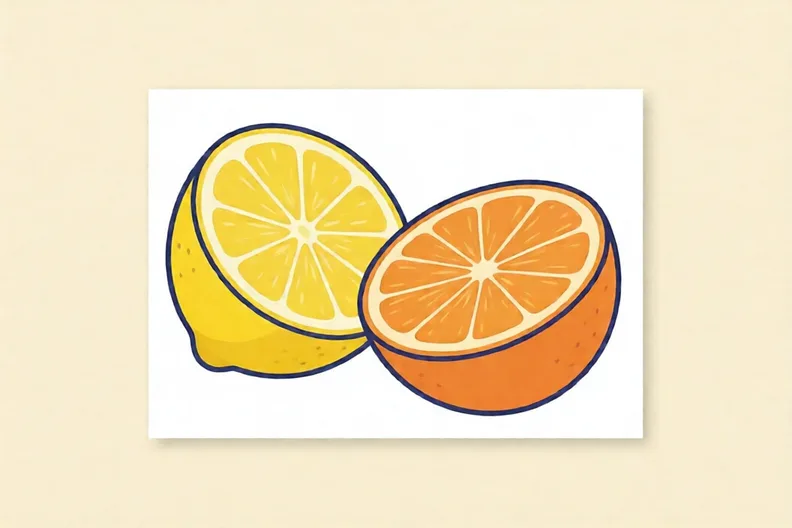
A halved yellow lemon and a halved orange on a plain white background.
  1. 1.

    Long ago, sailors on long voyages ate only salted meat and hard biscuits. Their gums bled until they ate lemons. Explain why lemons helped. Use the word nutrient.

How did it feel?

I can do it Nearly Not yet
StudyDen · Year 6 · Science · Keeping healthyAnswers are on the grown-up page

For the grown-up

What a balanced diet does · 2 minutes to read

Answers, and what a wrong one tells you

A

1. thrush If they chose grass, ask which animal in the chain is the one that eats the snail. Arrows point to the eater.

2. Look for: Says fish, the tallest bar on the chart. If they wrote cats, ask them to compare the tops of the cats bar and the fish bar.

3. pupa

B

1. Look for: Says carbs (carbohydrates), because they give the body most of its energy. If they wrote fruit and veg because its bar is taller, say the bar shows how many children chose it, not how much energy it gives.

C

1. protein

2. vitamin C If they chose protein, say that vitamin C keeps gums healthy. Ask which fruits are full of vitamin C.

3. calcium

4. not essential, but small amounts are fine If they chose the first option, show them the Eatwell Guide. Foods high in fat and sugar are not essential, but small amounts are fine.

D

1. Look for: Says a diet is all the food a person eats, and a healthy one is balanced across the food groups, not eating as little as possible. If they say eating less is always healthier, they have the common mix-up. Ask: which nutrients would Kit miss by skipping lunch?

E

1. Look for: Says lemons contain vitamin C, a nutrient missing from the sailors' diet, which made them well again.

Words to use

Say“What does the word diet mean on this sheet? Is it the same as going on a diet?”
Instead of“Tell them a diet is only about eating less.”

After the sheet

At dinner, sort the food on the plate into groups: fruit and veg, carbs, protein, dairy, and high fat or sugar. Talk about which group is missing.

Tick what your child got right in StudyDen. Anything missed comes back in a later Look back box, so there's no need to redo the sheet.

The rest of this unit

11 more sheets come with a StudyDen plan, in teaching order:

  1. Protein for People and Planet(with a plan)
  2. Mushrooms and mycoprotein(with a plan)
  3. Counting your heartbeats(with a plan)
  4. Heart recovery times(with a plan)
  5. Healthy hearts(with a plan)
  6. Drugs, legal and illegal(with a plan)
  7. How smoking affects the body(with a plan)
  8. How alcohol affects the body(with a plan)
  9. Reading a lifestyle journal(with a plan)
  10. Who can we trust?(with a plan)
  11. Plain words, real change(with a plan)

Every Year 6 science worksheet

The worksheets plan opens a printable sheet for every lesson in Years 1 to 6, each with its answers on a separate page for you. It costs £6.99 a month or £59 a year for the whole family, with no free trial.

The full StudyDen plan adds the lessons themselves, marked as your child works, with the worksheets included. It is 7 days free, then £29.99 a month.

Both start with a free account; you choose the plan when you sign up.