← Year 5 PE worksheets

Year 5 Athletics: enhanced athletic challenges worksheet

“Dip Over the Line” is free to print, with no account. It is the first sheet in the Year 5 PE unit “Athletics: enhanced athletic challenges”, for children aged 9 to 10, and takes about 23 minutes.

Print it on A4. The child's pages come first; the answers, and what each wrong answer tells you, are on the grown-up page that follows. Weeks 31 to 36 of the year, 6 sheets in the unit.

Free sample · answers on the last page

Dip Over the Line

Name: ____________ · Date: ____________
Year 5 · PE · about 23 minutes
Answers are on the grown-up page

Today I can finish a sprint strong by timing my dip at the line.

A Look back3 min

  1. 1.

    Put these warm-up steps in order. Write 1 to 4 in the boxes.

    1. Two short build-up runs
    2. Gentle jog around the lawn
    3. Quick steps on the spot
    4. Arm circles and leg swings
  2. 2.

    Which of these helps your running rhythm most? Circle one.

    Head upEyes aheadArms pumping
    head upeyes aheadarms pumping
  3. 3.

    Join each cue to the job it does.

    FeetArmsEyes
    Balls of feetArm pumpingEyes ahead
    Keeps your rhythm strongHelps you keep aimed at the lineMakes your steps light and quick

B Watch me, then you4 min

Ravi races his sister across the garden. The finish is a strip of tape stretched across the lawn.
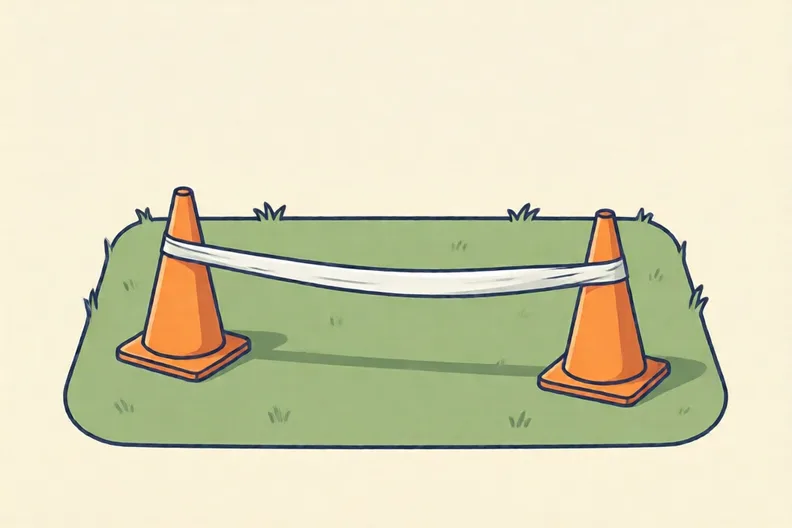
A strip of white tape stretched across a short green lawn between two orange cones
Watch me
Run tallLast strideDip over the line

Run tall and pump your arms all the way to the end.

On the last stride, lean forward from your waist.

Drive your shoulders across the line, not just your head.

Now you
  1. 1.

    Which part of your body decides when you have crossed the finish line? Circle one.

    HeadShouldersFeet
    your headyour shouldersyour feet
  2. 2.

    When should you dip? Circle one.

    Three strides outOver the line
    on your very last stridethree strides before the lineas you start

C Your turn8 min

Find a clear, flat space away from windows, with a grown-up watching every run. Use two shoes or cones for the line.
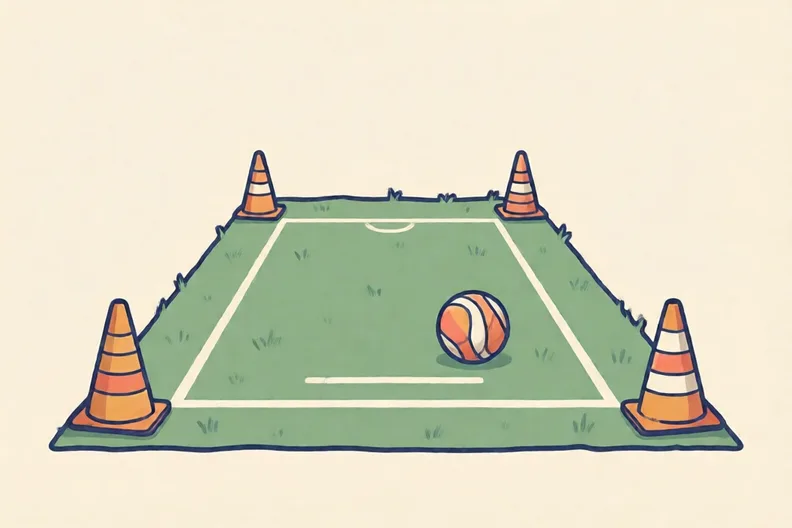
Two cones and a soft ball on a grass course, marked for a short sprint
  1. 1.

    Put the dip in order. Write 1 to 4 in the boxes.

    1. Drive your shoulders over the line
    2. Run tall with arms pumping
    3. Lean forward from the waist on the last stride
    4. Keep your eyes ahead on the approach
  2. 2.

    Zara dips three strides before the line. What happens to her speed next? Circle one.

    Dip earlyLine
    she slows down before the lineshe speeds up at the linenothing changes at all
  3. 3.

    Join each fault to the card that matches it. A card may say what the fault causes or how to fix it.

    HeadDipArms
    Head drops forwardDip too earlyArms stop pumping
    Loses rhythm and speedBend from the waist, not just the neckSlows you down before the line
  4. 4.

    Run three sprints while a grown-up times you on a phone. Run 1: dip early. Run 2: dip on the last stride. Run 3: dip on the last stride with arms pumping. Write each time in seconds. Run 1 Run 2 Run 3

    My three runs (seconds)012345678910Run 1Run 2Run 3

Say it out loud: Which stride did your dip go on each time? What changed when the dip moved?

D Spot the mistake3 min
A finish line of tape across a grass track, with lane lines leading up to it
Kit says: “Dip three strides early, then you will cross the line first.”
  1. 1.

    What is wrong with Kit's idea? Write one or two sentences.

E Think deeper3 min
A short grass lane with a finish line of tape and a soft ball resting beside it
  1. 1.

    Explain how a good dip helps you win a close race. Say which part of your body has to cross the line, and use the word dip.

How did it feel?2 min

Think about your three runs. Which dip felt strongest? Say one thing you will try next time.

I can do it Nearly Not yet
StudyDen · Year 5 · PE · Athletics: enhanced athletic challengesAnswers are on the grown-up page

For the grown-up

Dip Over the Line · 2 minutes to read

Answers, and what a wrong one tells you

A

1. 1 Gentle jog around the lawn · 2 Arm circles and leg swings · 3 Quick steps on the spot · 4 Two short build-up runs If the jog comes after the build-up runs, the body is not warm yet. Ask your child which step comes first to warm up slowly.

2. arms pumping If your child circles eyes ahead, say that eyes help aim but the arms set the rhythm. Ask them to pump their arms for ten steps.

3. Balls of feet → Makes your steps light and quick; Arm pumping → Keeps your rhythm strong; Eyes ahead → Helps you keep aimed at the line

B

1. your shoulders If your child circles your head, explain that the race is decided by the upper body. Ask them to lean and show you where the shoulders would cross.

2. on your very last stride If your child picks three strides before the line, they will slow down before the finish. Ask them to count the last three strides out loud.

C

1. 1 Run tall with arms pumping · 2 Keep your eyes ahead on the approach · 3 Lean forward from the waist on the last stride · 4 Drive your shoulders over the line If your child swaps the first two steps, accept it, because both happen all through the run. If the lean comes first, the dip has started too early. Ask your child to run tall to the last stride, then lean.

2. she slows down before the line If your child says she speeds up, they have forgotten the dip belongs at the very end. Ask which stride the dip should happen on.

3. Head drops forward → Bend from the waist, not just the neck; Dip too early → Slows you down before the line; Arms stop pumping → Loses rhythm and speed

4. Look for: Three times in seconds, one for each run, following the dip plan for that run.

D

1. Look for: Dipping three strides early makes you slow down before the line, so you lose speed at the finish. If your child says the early dip is a good plan, ask what happens to their speed in the last three strides. Explain that the dip belongs on the last stride.

E

1. Look for: Says the dip moves the shoulders or chest over the line sooner, because the upper body decides the race, not the head, and uses the word dip.

Words to use

Say“Show me on which stride your dip went in your fastest run. What will you change next time?”
Instead of“Just run faster next time.”

After the sheet

Mark a 20 to 30 metre course with two shoes or cones on a flat lawn, away from windows. Time three runs on a phone: dip early, dip on the last stride, then keep arms pumping through the dip. Write the three times in seconds.

Tick what your child got right in StudyDen. Anything missed comes back in a later Look back box, so there's no need to redo the sheet.

The rest of this unit

5 more sheets come with a StudyDen plan, in teaching order:

  1. Evaluating My Sprint(with a plan)
  2. Triple jump personal bests(with a plan)
  3. Relay changeover tricks(with a plan)
  4. Shot put power(with a plan)
  5. Clearing hurdles smoothly(with a plan)

Every Year 5 PE worksheet

The worksheets plan opens a printable sheet for every lesson in Years 1 to 6, each with its answers on a separate page for you. It costs £6.99 a month or £59 a year for the whole family, with no free trial.

The full StudyDen plan adds the lessons themselves, marked as your child works, with the worksheets included. It is 7 days free, then £29.99 a month.

Both start with a free account; you choose the plan when you sign up.