← Year 4 English worksheets

Developing reading preferences in Year 4 worksheet

“Reading all around us” is free to print, with no account. It is the first sheet in the Year 4 English unit “Developing reading preferences in Year 4”, for children aged 8 to 9, and takes about 20 minutes.

Print it on A4. The child's pages come first; the answers, and what each wrong answer tells you, are on the grown-up page that follows. Week 14 of the year, 4 sheets in the unit.

Free sample · answers on the last page

Reading all around us

Name: ____________ · Date: ____________
Year 4 · English · about 20 minutes
Answers are on the grown-up page

Today I can notice that reading includes many forms, not only books.

A Look back3 min

  1. 1.

    Circle the word that means someone who reads.

    read
    readerreadingreadable
  2. 2.

    Circle the feeling word that is happier than “glum”.

    thrilledgloomyworried
  3. 3.

    Number these steps in the order Mia did them. Write 1, 2 and 3 in the boxes.

    firstnextlast
    1. Mia opened the book
    2. Mia chose a book
    3. Mia began to read

B Watch me, then you4 min

Ali reads three things before school. Look at the chain, then read the lines.
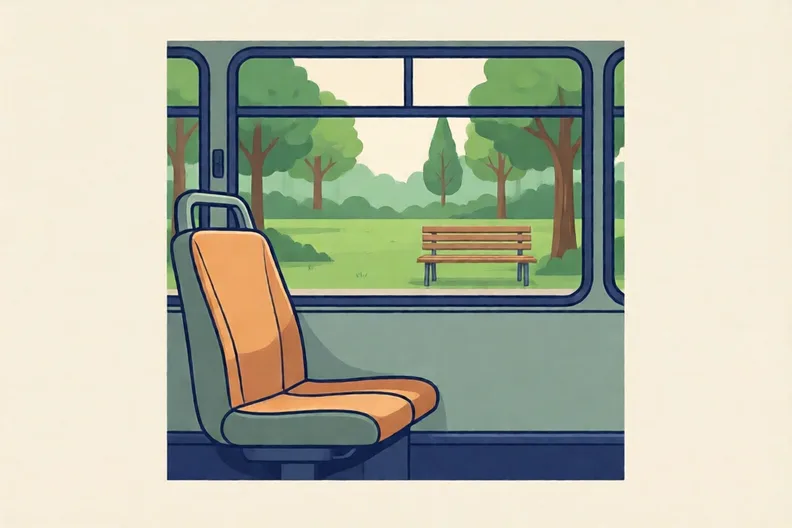
An empty bus seat by a window looking out at a green park with a bench
Watch me
cereal boxbus signpark map

At breakfast, Ali reads a cereal box. That is reading.

On the bus, Ali reads a sign with a bus number.

At the park, Ali reads a map with small pictures on it.

Now you
  1. 1.

    Ali looks at the bus board to see when the next bus comes. What is Ali reading?

    Bus 7at 9:20Bus 7at 9:40
    a time or datea picture signa computer code
  2. 2.

    Ali finds the shop on this map by spotting the shop symbol. What is Ali reading?

    123123N
    a picture signa time or datea number on a chart

C Your turn7 min

Look at each text. Decide which form of text it is.

  1. 1.

    Mia uses this to find the pond in the park. Which form of text is it? Circle the answer.

    1234123~N
    maprecipepoemletter
  2. 2.

    Sam uses this to see how many books each child read in a week. Which form of text is it? Circle the answer.

    Books read0123456OlaSamMia
    chartsignrecipepoem
  3. 3.

    Ola follows these steps to make pancakes. Which form of text is it? Circle one.

    Add the flourStir in the milkCook one side
    recipemapchartpoem
  4. 4.

    Leo checks the times on this board to see when the bus leaves. Which form of text is it? Circle one.

    Bus 12 leaves 4:15Bus 12 leaves 4:35Bus 12 leaves 4:55
    timetablepoemrecipemap

Say it out loud: What clue in each picture told you the form? Which clue helped most?

D Spot the mistake3 min

Kit says: “Reading a cereal box does not count, because reading only counts when you hold a book.”
cereal boxwords on the boxreading
  1. 1.

    Explain why Kit is wrong. Write one or two sentences.

E Think deeper3 min
A sunny bus stop with a timetable board on a pole and a bench
  1. 1.

    Think of three forms of reading you might see on the way to school. Write each one and where you would see it.

How did it feel?

I can do it Nearly Not yet
StudyDen · Year 4 · English · Developing reading preferences in Year 4Answers are on the grown-up page

For the grown-up

Reading all around us · 2 minutes to read

Answers, and what a wrong one tells you

A

1. reader

2. thrilled

3. 1 Mia chose a book · 2 Mia opened the book · 3 Mia began to read

B

1. a time or date If they pick a picture sign, point to the board and ask what the numbers show. 9:20 is a time, so Ali is reading a time.

2. a picture sign If they pick a time or date, point to the small pictures and ask what each one stands for. Pictures that stand for places are picture signs.

C

1. map

2. chart If they pick sign, ask where the bars and the numbers are. Bars and numbers on a grid make a chart.

3. recipe If they pick chart, ask whether the steps show numbers or things to do in order. Steps to cook something make a recipe.

4. timetable If they pick map, ask what the board shows. It lists times, so it is a timetable.

D

1. Look for: Says reading is not only books, and gives an everyday text such as a cereal box or road sign as reading. If they only repeat that a box is not a book, ask: what do you read at breakfast without a book open? Then ask them to reread the claim.

E

1. Look for: Lists three everyday forms of reading, such as a sign, timetable, map or menu, each with a place where it is seen.

Words to use

Say“Where did you see words or numbers today that were not in a book?”
Instead of“Reading only counts when you have a book open.”

After the sheet

Look around the kitchen together and name every text you can see, such as a label, a clock or a timetable. Ask your child which form of reading each one is.

Tick what your child got right in StudyDen. Anything missed comes back in a later Look back box, so there's no need to redo the sheet.

The rest of this unit

3 more sheets come with a StudyDen plan, in teaching order:

  1. Heroes and anti-heroes(with a plan)
  2. Recommend a Book You Love(with a plan)
  3. Many forms, one genre(with a plan)

Every Year 4 English worksheet

The worksheets plan opens a printable sheet for every lesson in Years 1 to 6, each with its answers on a separate page for you. It costs £6.99 a month or £59 a year for the whole family, with no free trial.

The full StudyDen plan adds the lessons themselves, marked as your child works, with the worksheets included. It is 7 days free, then £29.99 a month.

Both start with a free account; you choose the plan when you sign up.