← Year 4 English worksheets

Year 4 Suffixes, etymology and homophones worksheet

“Adding the suffix -ic” is free to print, with no account. It is the first sheet in the Year 4 English unit “Suffixes, etymology and homophones”, for children aged 8 to 9, and takes about 22 minutes.

Print it on A4. The child's pages come first; the answers, and what each wrong answer tells you, are on the grown-up page that follows. Weeks 9 to 11 of the year, 12 sheets in the unit.

Free sample · answers on the last page

Adding the suffix -ic

Name: ____________ · Date: ____________
Year 4 · English · about 22 minutes
Answers are on the grown-up page

Today I can spell -ic adjectives correctly by using their root nouns.

A Look back3 min

  1. 1.

    Circle the word made by adding -ful to care.

    care+ful
    carefulcarefullcarefol
  2. 2.

    Circle the word made by adding -ness to sad.

    sad+ness
    sadnesssadnessadnessy
  3. 3.

    Circle the word made by adding -ly to quick.

    quick+ly
    quicklyquickleyquicly

B Watch me, then you4 min

A gymnast practises on the mats every Tuesday. Gymnast is a noun. What do we add to make a describing word?
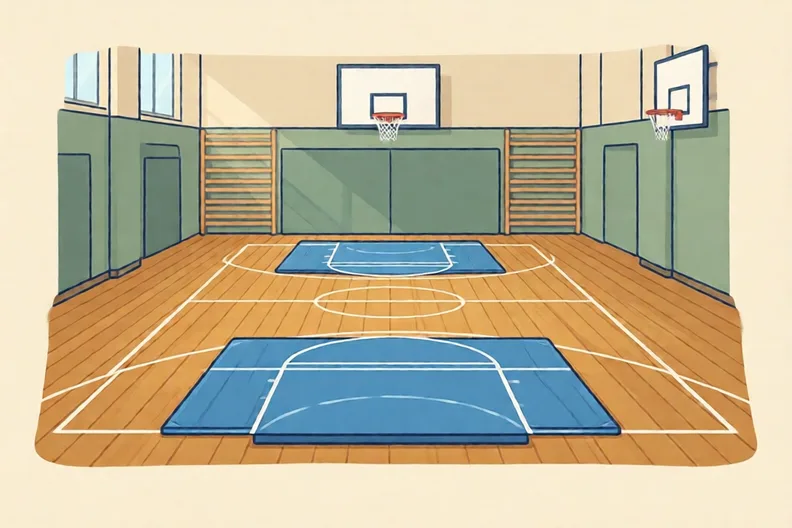
A bright school sports hall with blue gym mats laid out on a wooden floor
Watch me
gymnast+icgymnastic

Gymnast is a noun. It names a person.

It ends in t, so we just add -ic.

gymnast + ic = gymnastic, an adjective.

Now you
  1. 1.

    Poet is a noun for a person who writes poems. Circle the adjective made by adding -ic.

    poet+ic
    poeticpoetickpoetik
  2. 2.

    The noun is cycle. Remove the e, then add -ic. Circle the adjective.

    cyclecycl
    cycliccyclickcycleic

C Your turn8 min

Circle the correct spelling. Each row changes the root word a little.

  1. 1.

    Circle the adjective made from the noun atom.

    atom+ic
    atomicatomickatomik
  2. 2.

    Circle the adjective made from the noun climate.

    climateclimat
    climaticclimatickclimateic
  3. 3.

    Circle the adjective made from the noun economy.

    economyeconom
    economiceconomickeconomiic
  4. 4.

    Circle the adjective made from the noun magnet.

    magnet+ic
    magneticmagnetickmagnetik

Say it out loud: What did you do to the root word before you added -ic? Say the rule out loud.

D Spot the mistake3 min

Kit says: “Athlete becomes athletick, because the -ic sound at the end is spelled ck.”
athleteathlet
  1. 1.

    Which spelling is right? Circle it.

    athleticathletickathletik

E Think deeper4 min

  1. 1.

    Write two sentences about a character with special powers. Use a different -ic adjective in each. Put the root word in brackets after each one.

    nounadd -icadjective

How did it feel?

I can do it Nearly Not yet
StudyDen · Year 4 · English · Suffixes, etymology and homophonesAnswers are on the grown-up page

For the grown-up

Adding the suffix -ic · 2 minutes to read

Answers, and what a wrong one tells you

A

1. careful

2. sadness

3. quickly

B

1. poetic If they circle poetick, they have used -ck because the sound ends the word. Point out that -ic is always spelled I-C here.

2. cyclic If they circle cycleic, they added -ic without removing the e. Ask them to cross out the e first, then add the suffix.

C

1. atomic If they circle atomick, they have used -ck after the vowel. Ask which letters make the sound at the end of atomic.

2. climatic If they circle climateic, they kept the e. Ask them to cross out the e before adding -ic.

3. economic If they circle economiic, they have kept the y as an i. Remove the y completely, then add -ic.

4. magnetic

D

1. athletic If they keep athletick, they are using the -ck ending from short words like tick. The -ic suffix in longer words is always spelled I-C.

E

1. Look for: Two sentences, each with a correct -ic adjective and its root noun in brackets, both spelled with I-C.

Words to use

Say“Which letters make the sound at the end? Which rule did you use, and how do you know?”
Instead of“Just learn the spelling by heart.”

After the sheet

Find a page of a book together. Look for words ending in -ic or -ck and sort them into two lists. Try to say a root word for each -ic one, though some, like magic, have none.

Tick what your child got right in StudyDen. Anything missed comes back in a later Look back box, so there's no need to redo the sheet.

The rest of this unit

11 more sheets come with a StudyDen plan, in teaching order:

  1. Adding -ic with care(with a plan)
  2. Adding the suffix -ary(with a plan)
  3. Adding the suffix -ery(with a plan)
  4. Ch for the sh sound(with a plan)
  5. Silent U and E endings(with a plan)
  6. Doubling in longer words(with a plan)
  7. Double or single?(with a plan)
  8. Joining Words Together(with a plan)
  9. Joining Words Together(with a plan)
  10. Same sound, different spelling(with a plan)
  11. Same sound, different spelling(with a plan)

Every Year 4 English worksheet

The worksheets plan opens a printable sheet for every lesson in Years 1 to 6, each with its answers on a separate page for you. It costs £6.99 a month or £59 a year for the whole family, with no free trial.

The full StudyDen plan adds the lessons themselves, marked as your child works, with the worksheets included. It is 7 days free, then £29.99 a month.

Both start with a free account; you choose the plan when you sign up.