← Year 4 English worksheets

Year 4 Weather: wind and hot words worksheet

“Wind word detectives” is free to print, with no account. It is the first sheet in the Year 4 English unit “Weather: wind and hot words”, for children aged 8 to 9, and takes about 20 minutes.

Print it on A4. The child's pages come first; the answers, and what each wrong answer tells you, are on the grown-up page that follows. Weeks 13 to 14 of the year, 6 sheets in the unit.

Free sample · answers on the last page

Wind word detectives

Name: ____________ · Date: ____________
Year 4 · English · about 20 minutes
Answers are on the grown-up page

Today I can tell nouns from adjectives and use wind words well.

A Look back3 min

  1. 1.

    Join each part of a sentence to the mark it goes with.

    startsentencefinish
    starts withends with
    full stopcapital letter
  2. 2.

    Circle the word that describes the weather.

    stormycupboardruns
  3. 3.

    Circle the complete sentence.

    who or whatdid what
    The wind blew hard.Blew hard across the field.

B Watch me, then you4 min

Gust and blustery are both wind words. One is a naming word and one describes. Let's sort them.

Watch me
gust: nounblustery:adjective

Gust names a thing, so it is a noun.

Blustery tells us about a day, so it is an adjective.

Check: you can say 'a gust', so gust is a noun.

Now you
  1. 1.

    Is 'flurry' a noun or an adjective? Circle one.

    names athingdescribesa thing
    nounadjective
  2. 2.

    Is 'windy' a noun or an adjective? Circle one.

    nounadjective

C Your turn6 min

Read each row and circle the best word. Some gaps need a naming word and some need a describing word.

A grassy hill with a kite pulling hard on its string under grey clouds
  1. 1.

    A sudden ___ rattled the garden gate. Circle one.

    gustblusterygusty
  2. 2.

    It was a ___ morning, so Ali wore a coat. Circle one.

    gustblusterywhirl
  3. 3.

    A ___ of emails kept Mia busy all day. Circle one.

    flurryblusterygust
  4. 4.

    Which word means nearly the same as 'blustery'? Circle one.

    gustycalmsunny

Say it out loud: Which rows needed a naming word, and which needed a describing word? How did you know?

D Spot the mistake3 min
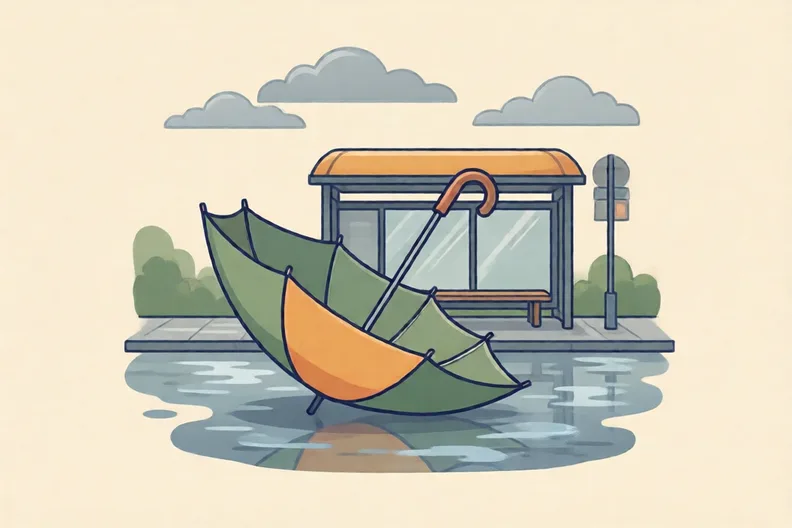
An umbrella turned inside out on a wet pavement under a cloudy sky
Kit says: “Blustery is a noun, because it is about the wind.”
  1. 1.

    Which word class is 'blustery' really? Circle one.

    nounadjective

E Think deeper5 min

weathersentenceothersentence
  1. 1.

    Write two sentences using 'flurry'. In the first, use it about weather. In the second, use it about something else. Put a describing word before flurry in one, such as 'sudden flurry'.

How did it feel?

I can do it Nearly Not yet
StudyDen · Year 4 · English · Weather: wind and hot wordsAnswers are on the grown-up page

For the grown-up

Wind word detectives · 2 minutes to read

Answers, and what a wrong one tells you

A

1. starts with → capital letter; ends with → full stop your child may have put the full stop at the start. Ask: which mark does a sentence begin with, and which one does it end with?

2. stormy

3. The wind blew hard. your child chose the group without a who or what. Ask: who or what is the sentence about, and what did it do?

B

1. noun your child may have chosen adjective because flurry sounds like a weather word. Ask: can you say 'a flurry'? If yes, it names something, so it is a noun.

2. adjective

C

1. gust your child may have picked a describing word. The gap needs a naming word for the thing that rattled the gate. Ask: does it name something?

2. blustery

3. flurry your child may have circled gust, which is a wind word but sounds odd with emails. Ask: which word can also mean a sudden rush of things?

4. gusty your child may have chosen calm, the opposite of blustery. Ask: is this word about windy weather or still weather?

D

1. adjective your child may have circled noun because blustery is about the wind. Ask: what does blustery describe? It tells us about a day, so it is an adjective.

E

1. Look for: Two sentences using flurry: one about weather and one about something else such as emails. One has a describing word before flurry, such as sudden flurry.

Words to use

Say“Which job is the word doing in the sentence? Does it name a thing, or does it describe one?”
Instead of“That's wrong, have another go.”

After the sheet

Walk round the house and name five things, such as a door or a cup. Then say a word that describes each one, such as shiny or warm. Ask which list holds nouns and which holds adjectives.

Tick what your child got right in StudyDen. Anything missed comes back in a later Look back box, so there's no need to redo the sheet.

The rest of this unit

5 more sheets come with a StudyDen plan, in teaching order:

  1. Howl, whirlwind, windswept(with a plan)
  2. Hot words that travel far(with a plan)
  3. Three hot words to use(with a plan)
  4. Blistering, radiant and perspire(with a plan)
  5. Hot words that stick(with a plan)

Every Year 4 English worksheet

The worksheets plan opens a printable sheet for every lesson in Years 1 to 6, each with its answers on a separate page for you. It costs £6.99 a month or £59 a year for the whole family, with no free trial.

The full StudyDen plan adds the lessons themselves, marked as your child works, with the worksheets included. It is 7 days free, then £29.99 a month.

Both start with a free account; you choose the plan when you sign up.