← Year 4 PE worksheets

Year 4 Athletics: athletic challenges developed worksheet

“Sprinting at full speed” is free to print, with no account. It is the first sheet in the Year 4 PE unit “Athletics: athletic challenges developed”, for children aged 8 to 9, and takes about 24 minutes.

Print it on A4. The child's pages come first; the answers, and what each wrong answer tells you, are on the grown-up page that follows. Weeks 28 to 30 of the year, 6 sheets in the unit.

Free sample · answers on the last page

Sprinting at full speed

Name: ____________ · Date: ____________
Year 4 · PE · about 24 minutes
Answers are on the grown-up page

Today I can run at speed using four technique points and keep going past the finish line.

A Look back3 min

  1. 1.

    Which part of a PE lesson comes first? Circle one.

    NextLast
    Warm upCool downMain activity
  2. 2.

    Why do we cool down after exercise? Circle one.

    Hard runningGentle walkingStanding still
    To let the heart slow gentlyTo make the heart race fasterTo stop before the warm up
  3. 3.

    Join each word to its meaning.

    Warm upMain activityCool down
    Warm upCool down
    Slowing down after movingGetting the body ready to move

B Watch me, then you4 min

Ruby is learning to sprint. Her coach shows her the four keys that make a fast run.

Watch me
Head upArms pumpingBalls of feetKnees driving

Ruby keeps her head up and looks ahead.

She pumps her arms from hip to shoulder.

She runs on the balls of her feet.

Each stride, her knees drive forward.

Now you
  1. 1.

    Ruby's coach covers one key with a blank. Circle the key that fits the blank.

    Head upArms pumpingKnees driving
    Balls of your feetFlat feetHeels

C Your turn8 min

Before you start: use a clear space away from windows, and make sure a grown-up is watching.
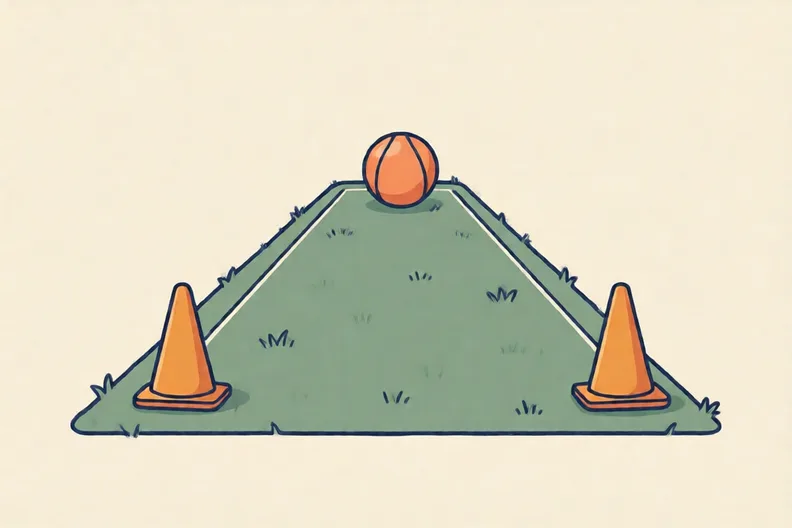
Two cones and a soft ball on a lawn, marking a straight path
  1. 1.

    Match each sprint key to what it looks like.

    Head upArms pumpingBalls of feetKnees driving
    Lift the knee forward with each strideLook ahead, not at the groundLand on the front padded partElbows bent, hip to shoulder
  2. 2.

    Ola runs with her eyes on her feet. Circle the best coaching point to help her.

    Look ahead with your head upRun on your heelsStop pumping your arms
  3. 3.

    Write 1 to 5 in the box beside each step, to show the order of a sprint.

    1. Keep sprinting through the finish line
    2. Drive off on the balls of your feet
    3. Slow down safely after the line
    4. Stand ready with your head up
    5. Pump your arms and drive your knees
  4. 4.

    Time three sprints over about 20 metres with a grown-up watching. Colour one bar for each run in seconds. Write your fastest time:

    My three sprints (seconds)01234567891011121314151617181920Run 1Run 2Run 3

Say it out loud: Which of the four keys did you think about most as you ran, and why?

D Spot the mistake3 min
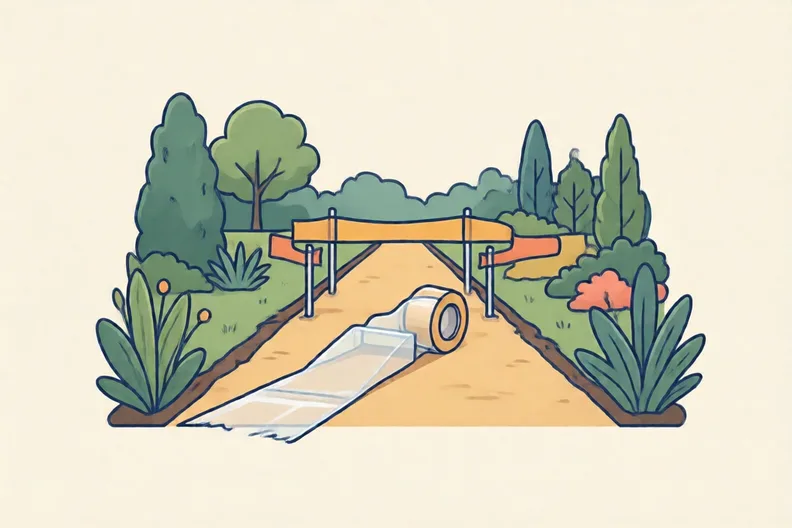
A finish tape stretched across a garden path with a clear run-up
Kit says: “I can ease off a few steps before the finish so I stop in time.”
  1. 1.

    Why is Kit's plan wrong? Write one reason.

E Think deeper4 min

Look at the finish line. Think about what a coach would want the sprinter to do at the tape.
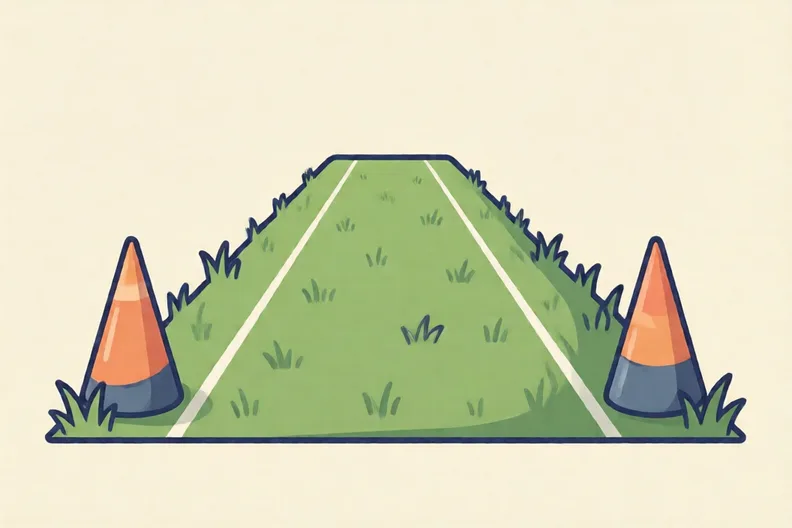
Two cones at either end of a grass lane, ready for a sprint
  1. 1.

    Write one sentence a coach could say to a sprinter who slows down at the line. Use the word determination.

How did it feel?

Think about your three runs. Did you keep going past the finish line? Tell your grown-up one thing that felt good.

I can do it Nearly Not yet
StudyDen · Year 4 · PE · Athletics: athletic challenges developedAnswers are on the grown-up page

For the grown-up

Sprinting at full speed · 2 minutes to read

Answers, and what a wrong one tells you

A

1. Warm up If your child circles Cool down, ask which part comes at the end. Point to the blank: the warm up goes first to get muscles ready.

2. To let the heart slow gently If your child circles faster, remind them the heart needs time to settle. Walk slowly together for a minute and feel the difference.

3. Warm up → Getting the body ready to move; Cool down → Slowing down after moving

B

1. Balls of your feet If your child circles Flat feet, point to the chain. Ask which part of the foot should touch first. The answer is the front padded part.

C

1. Head up → Look ahead, not at the ground; Arms pumping → Elbows bent, hip to shoulder; Balls of feet → Land on the front padded part; Knees driving → Lift the knee forward with each stride

2. Look ahead with your head up If your child circles Run on your heels, point to the front padded part of the foot. Heels slow the stride, so ask them to try the head-up point first.

3. 1 Stand ready with your head up · 2 Drive off on the balls of your feet · 3 Pump your arms and drive your knees · 4 Keep sprinting through the finish line · 5 Slow down safely after the line If your child puts slow down before keep sprinting, ask what is at the finish line. Slowing must come after the line, not before it.

4. Look for: Three bars coloured in for three runs, and a fastest time written in seconds that matches the shortest bar.

D

1. Look for: Says easing off before the line makes the run slower or lets others pass, and the runner should sprint through the line and slow down after it. If your child says slowing down is safer, show the space after the tape for slowing down. Then act out a run that keeps going past it.

E

1. Look for: A coach sentence that tells the sprinter to keep running through the finish line and uses the word determination or clearly describes trying hard.

Words to use

Say“Which key did you think about on your best run, and did you keep going past the line?”
Instead of“Run faster, you were slowing down.”

After the sheet

Use two shoes as start and finish markers about 20 of your own long steps apart. Time three runs with a phone timer, then talk about which key helped most.

Tick what your child got right in StudyDen. Anything missed comes back in a later Look back box, so there's no need to redo the sheet.

The rest of this unit

5 more sheets come with a StudyDen plan, in teaching order:

  1. Short strides, then longer(with a plan)
  2. Running at a steady pace(with a plan)
  3. Running smart over distance(with a plan)
  4. Smooth javelin throws(with a plan)
  5. Hop, step and jump(with a plan)

Every Year 4 PE worksheet

The worksheets plan opens a printable sheet for every lesson in Years 1 to 6, each with its answers on a separate page for you. It costs £6.99 a month or £59 a year for the whole family, with no free trial.

The full StudyDen plan adds the lessons themselves, marked as your child works, with the worksheets included. It is 7 days free, then £29.99 a month.

Both start with a free account; you choose the plan when you sign up.