← Year 2 English worksheets

Year 2 'Lucky Dip': narrative writing worksheet

“Put the story in order” is free to print, with no account. It is the first sheet in the Year 2 English unit “'Lucky Dip': narrative writing”, for children aged 6 to 7, and takes about 20 minutes.

Print it on A4. The child's pages come first; the answers, and what each wrong answer tells you, are on the grown-up page that follows. Weeks 30 to 32 of the year, 10 sheets in the unit.

Free sample · answers on the last page

Put the story in order

Name: ____________ · Date: ____________
Year 2 · English · about 20 minutes
Answers are on the grown-up page

Today I can put story events in order and retell them with time words.

A Look back3 min

  1. 1.

    Circle the sentence that is written correctly.

    Capital letterWordsFull stop
    the bus is red.The bus is red.The bus is red
  2. 2.

    The bus was late ___ the girl waited. Circle the word that joins the two ideas.

    The buswas latethe girlwaited
    andbusthe
  3. 3.

    Which list has the commas in the right places? Circle one.

    breadmilkeggs
    bread, milk and eggsbread milk and eggsbread, milk, eggs and

B Watch me, then you4 min

A girl has a day at the seaside. Watch how we tell three parts of her day in order, using time words.
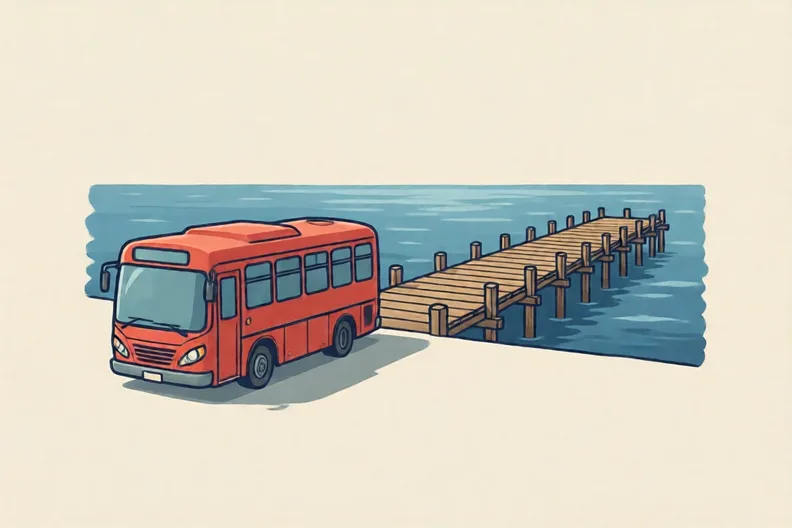
A red bus parked beside a long wooden pier with the sea behind
Watch me
BusArcadeHome

First, she gets off the bus.

Next, she goes into the arcade.

Finally, she goes home on the bus.

Now you
  1. 1.

    Number these story events from 1 to 4. In this story, the bunny pulls her down the hole, and a man helps her.

    FirstNextThenLast
    1. She falls through a hole onto the sand.
    2. She gets off the red bus at the seaside.
    3. She sees a magical bunny and grabs it.
    4. The man lifts her back onto the pier.

C Your turn6 min

Pick the time starter that fits each sentence. Each row changes where the event happens in the story.
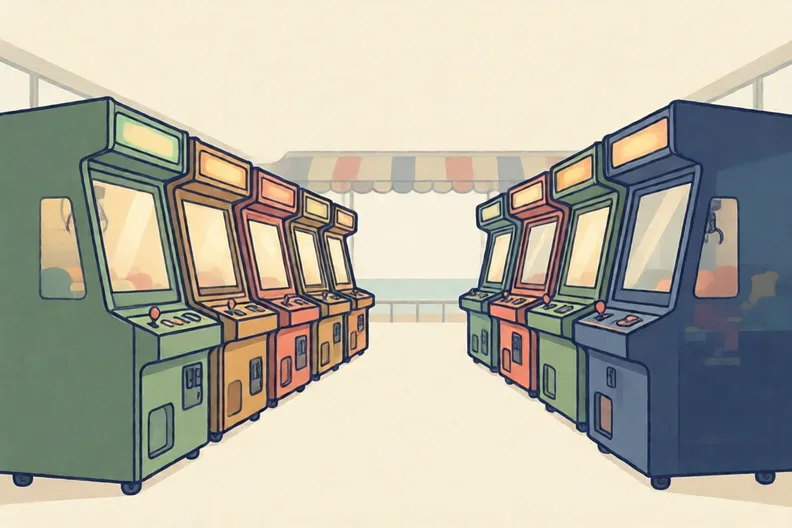
Inside an old seaside arcade with lit machines and no one in it
  1. 1.

    ___ the girl got off the red bus at the seaside. Circle the best starter.

    BusPierArcade
    One day,Finally,Because,
  2. 2.

    This is the last thing in the story. ___ she went home on the bus with her grandparents. Circle the best starter.

    BusArcadeSandBus home
    Suddenly,Finally,Soon after,
  3. 3.

    It was a big surprise! ___ a large man walked towards her. Circle the best starter.

    SandA man appearsBack on the pier
    Next,Suddenly,Finally,
  4. 4.

    Sort these starters into the right columns.

    Story startsSurpriseStory ends
    One day,Suddenly,Finally,
    Starts the storyShows a surpriseEnds the story

Say it out loud: Does this event come at the start, the middle or the end? Say the starter out loud, then the sentence.

D Spot the mistake3 min

Ali says: “Finally, she got back on the bus. One day, she stepped off the bus.”
Bus arrivesBus home
  1. 1.

    Which sentence should come first in the story? Circle one.

    Finally, she got back on the bus.One day, she stepped off the bus.

E Think deeper3 min

  1. 1.

    Would the story still make sense if the ending came first? Explain why in two or three sentences.

    AD 1AD 2AD 3AD 4BusArcadeSandHome

How did it feel?

I can do it Nearly Not yet
StudyDen · Year 2 · English · 'Lucky Dip': narrative writingAnswers are on the grown-up page

For the grown-up

Put the story in order · 2 minutes to read

Answers, and what a wrong one tells you

A

1. The bus is red. your child may have missed the capital letter or the full stop. Ask them to run a finger from the first letter to the last mark.

2. and If your child picks 'bus' or 'the', those words do not join two ideas. Say the sentence with 'and' in the gap and check it makes sense.

3. bread, milk and eggs your child may think every word needs a comma. Commas go between items in a list, and 'and' goes before the last item.

B

1. 1 She gets off the red bus at the seaside. · 2 She sees a magical bunny and grabs it. · 3 She falls through a hole onto the sand. · 4 The man lifts her back onto the pier. If your child puts the fall first, ask: could she fall before she has grabbed the bunny? Read the steps aloud and check each one happens before the next.

C

1. One day, your child may have picked 'Finally,', which is for the end. Ask: is this the first thing in the story?

2. Finally, 'Suddenly,' is for a surprise. Ask your child whether the bus ride home is a surprise or the last thing that happens.

3. Suddenly,

4. Ends the story: Finally, · Shows a surprise: Suddenly, · Starts the story: One day, If your child puts 'Finally,' under 'Starts the story', ask: which word would you use for the very last thing?

D

1. One day, she stepped off the bus. your child has put the ending first. Ask: could she go home before she arrived? Tell the story in order aloud.

E

1. Look for: Says the story would be confusing or not make sense, and explains that events must come in order.

Words to use

Say“Which part of the story happens first? What happens next? Can you tell me the ending in one sentence?”
Instead of“Just read the story to them again and tell them the right order.”

After the sheet

At teatime, tell a short story about your day using 'First', 'Next' and 'Finally', pausing at each comma. Then let your child retell it with three cups or spoons in a row, one for each event.

Tick what your child got right in StudyDen. Anything missed comes back in a later Look back box, so there's no need to redo the sheet.

The rest of this unit

9 more sheets come with a StudyDen plan, in teaching order:

  1. Seaside senses words(with a plan)
  2. Describing made-up characters(with a plan)
  3. Planning story opening words(with a plan)
  4. Setting the scene(with a plan)
  5. Planning the build-up(with a plan)
  6. Fast and slow word starters(with a plan)
  7. Planning a big climax(with a plan)
  8. Writing a tense climax(with a plan)
  9. Fresh eyes on our story(with a plan)

Every Year 2 English worksheet

The worksheets plan opens a printable sheet for every lesson in Years 1 to 6, each with its answers on a separate page for you. It costs £6.99 a month or £59 a year for the whole family, with no free trial.

The full StudyDen plan adds the lessons themselves, marked as your child works, with the worksheets included. It is 7 days free, then £29.99 a month.

Both start with a free account; you choose the plan when you sign up.