← Year 3 English worksheets

Developing reading preferences in year 3 worksheet

“Who Are You as a Reader?” is free to print, with no account. It is the first sheet in the Year 3 English unit “Developing reading preferences in year 3”, for children aged 7 to 8, and takes about 23 minutes.

Print it on A4. The child's pages come first; the answers, and what each wrong answer tells you, are on the grown-up page that follows. Week 17 of the year, 4 sheets in the unit.

Free sample · answers on the last page

Who Are You as a Reader?

Name: ____________ · Date: ____________
Year 3 · English · about 23 minutes
Answers are on the grown-up page

Today I can say which texts count as reading and why every text matters.

A Look back3 min

  1. 1.

    Which word comes between cat and fish in the A to Z?

    catfish
    dogantsun
  2. 2.

    walk + = walked. Which ending is missing?

    walkwalked
    edings
  3. 3.

    Ola's book tells real facts about sharks. Which kind of book is it?

    sharksreal facts
    storiesinformation

B Watch me, then you4 min

Ravi looks at the kitchen table after breakfast. A cereal packet, a folded magazine and a storybook are there. Which ones count as reading?

Watch me
cereal packetmagazinestorybook

A storybook has words to read, so it is a text.

A magazine has words to read too.

A cereal packet has words to read, so it counts as reading as well.

Now you
  1. 1.

    A shopping list is on the table too. Does it count as a text?

    cereal packetmagazineshopping list
    yesno
  2. 2.

    A poem and a comic strip can tell a similar story. Write one way their forms are different.

    poemcomic strip

C Your turn7 min

Each row is a different reader. Read the clues, then answer.

  1. 1.

    At age 9, Leo reads the latest news about his favourite team every month. Which text goes at age 9 on his reading timeline?

    AD 5AD 6AD 7AD 8AD 9Nursery rhyme bookJoke book
    football magazinerecipe cardbus timetable
  2. 2.

    A book made Ali laugh out loud. Which end of the scale fits best?

    sunny endstormy end
  3. 3.

    Priya loves books full of magic and dragons. Which genre fits her best?

    magicdragons
    mysteryfantasybiography
  4. 4.

    Sam likes stories told in pictures and speech bubbles. Which text would Sam enjoy most?

    picturesspeech bubbles
    comicbus timetablerecipe card

Say it out loud: Which words in the question told you the answer? What changed from one row to the next?

D Spot the mistake3 min
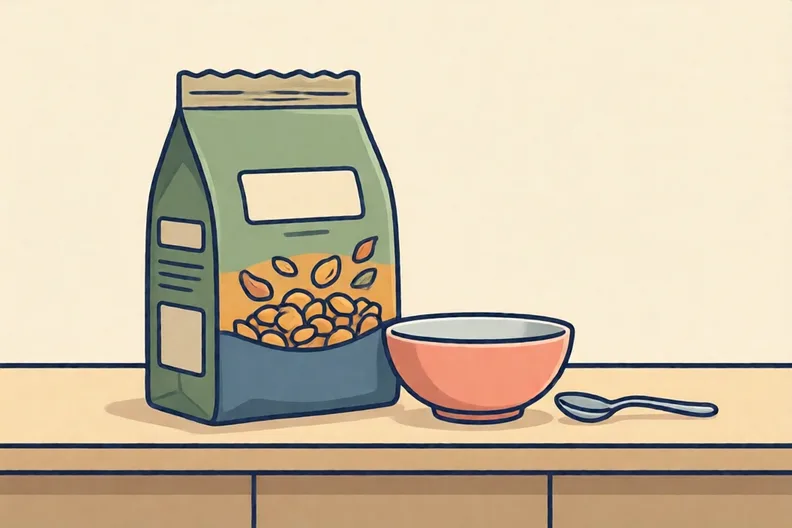
A cereal packet standing on a kitchen counter next to a bowl
Kit says: “A cereal box is not real reading, so it does not count.”
  1. 1.

    Is Kit right? Write why in one or two sentences.

E Think deeper4 min

  1. 1.

    Write two sentences. Name a text you have enjoyed, then say what it made you feel. Use the word because.

    cereal packetcomicnovel

How did it feel?

I can do it Nearly Not yet
StudyDen · Year 3 · English · Developing reading preferences in year 3Answers are on the grown-up page

For the grown-up

Who Are You as a Reader? · 2 minutes to read

Answers, and what a wrong one tells you

A

1. dog your child picked a word that is not between cat and fish. Say the letters in order: c, then d, then f. Ask which word starts with d.

2. ed your child may have chosen ing. Ask what the word is doing: it happened before now, so it needs the ending that tells us about the past.

3. information your child may think every book is a story. Ask: does this book make up a tale, or tell real facts?

B

1. yes your child said no because it is not a book. Ask: did somebody write it so that we read it? If yes, it is a text and counts.

2. Look for: says a poem is set out in lines or verses and a comic strip uses panels, pictures or speech bubbles your child may have written what the story is about. Ask how the words sit on the page: are they in lines, or in boxes with pictures?

C

1. football magazine your child may have guessed. Ask which of the three texts would give Leo news about his team every month.

2. sunny end your child chose the stormy end. Ask whether laughing feels happy or gloomy, then point to the sunny part of the scale.

3. fantasy your child may not know the genre names. Fantasy books have magic, mystery books have a puzzle to solve, and a biography tells a real person's life.

4. comic your child picked a text that does not tell a story. Ask which text tells a story with pictures and speech bubbles.

D

1. Look for: says Kit is wrong and that a cereal packet counts because it is a text or a form of reading your child may agree because they think only books count. Ask: what is printed on the packet, and did you read it? If you read it, it counts.

E

1. Look for: names a specific text and a feeling, and links them with because

Words to use

Say“Which texts did you read today? Did any of them surprise you by counting?”
Instead of“Only novels are proper reading, so skip the cereal packet and the comic.”

After the sheet

Gather a menu, a bus ticket and a cereal packet. Ask your child what each one tells you and which they would most like to read. Talk about why all three count as reading.

Tick what your child got right in StudyDen. Anything missed comes back in a later Look back box, so there's no need to redo the sheet.

The rest of this unit

3 more sheets come with a StudyDen plan, in teaching order:

  1. Characters across a series(with a plan)
  2. Recommend a Great Read(with a plan)
  3. Panels or pages?(with a plan)

Every Year 3 English worksheet

The worksheets plan opens a printable sheet for every lesson in Years 1 to 6, each with its answers on a separate page for you. It costs £6.99 a month or £59 a year for the whole family, with no free trial.

The full StudyDen plan adds the lessons themselves, marked as your child works, with the worksheets included. It is 7 days free, then £29.99 a month.

Both start with a free account; you choose the plan when you sign up.