← Year 3 English worksheets

Year 3 Poetry inspired by big and small objects: understanding form worksheet

“Reading tricky poems line by line” is free to print, with no account. It is the first sheet in the Year 3 English unit “Poetry inspired by big and small objects: understanding form”, for children aged 7 to 8, and takes about 23 minutes.

Print it on A4. The child's pages come first; the answers, and what each wrong answer tells you, are on the grown-up page that follows. Weeks 29 to 31 of the year, 8 sheets in the unit.

Free sample · answers on the last page

Reading tricky poems line by line

Name: ____________ · Date: ____________
Year 3 · English · about 23 minutes
Answers are on the grown-up page

Today I can work out what a tricky poem means by reading it one line at a time.

A Look back3 min

  1. 1.

    Ben felt glad when the rain stopped. Circle the word that tells how Ben felt.

    gladrainstopped
  2. 2.

    Circle the sentence that is written correctly.

    capital letterwordsfull stop
    the king sat down.The king sat down.The King sat down.
  3. 3.

    Read: “The statue stood in the desert. We run past it.” Write each word in the right column of the table.

    names athingshows anaction
    statuerundesertstood
    NounsVerbs

B Watch me, then you4 min

Ola reads: “The vast stone legs were taller than a house.” She is not sure what ‘vast’ means. Here is how she works it out.
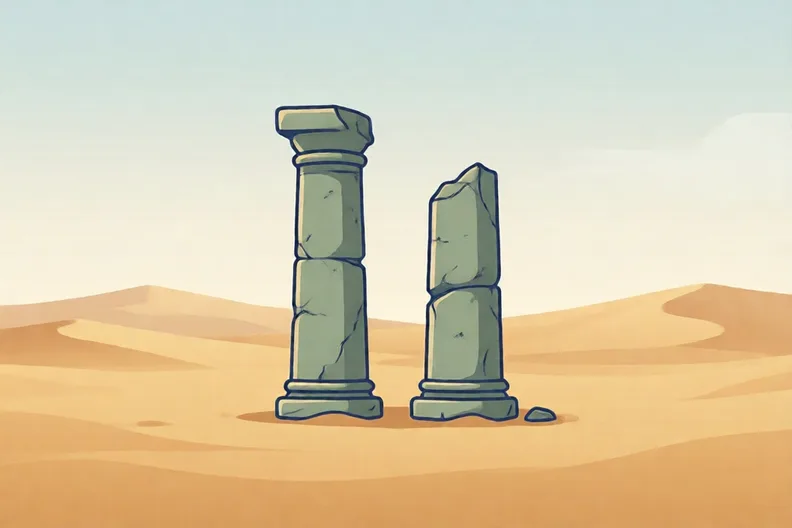
Two tall stone legs stand alone in a wide desert
Watch me
read the linefind the clue wordssay the meaning

Read the whole line slowly.

The words near ‘vast’ are ‘stone legs’ and ‘taller than a house’.

Legs taller than a house are very big, so ‘vast’ means huge.

Now you
  1. 1.

    A fox crept through the dim wood at dusk. Circle the word closest in meaning to ‘dim’.

    brightfaintloud

C Your turn8 min

Each row has a short clue picture. Use the clue to choose the right word.

  1. 1.

    Circle the word that names a poem with exactly 14 lines.

    a poemexactly 14 linesa rhyme pattern
    sonnethaikutheme
  2. 2.

    Circle the word for the big idea a poem shares with its reader.

    lines of a poemwhat readers think
    themesculptorsonnet
  3. 3.

    Circle the word for an artist who carves statues.

    stone blockfinished statue
    sculptorthemepoem
  4. 4.

    Circle the word for a piece of writing that uses rhythm to share feelings or ideas.

    words with rhythmfeelings or ideas
    poemsculptortheme

Say it out loud: Which clue in each row helped you choose the word, and what did the word mean?

D Spot the mistake3 min

Shelley wrote Ozymandias as a sonnet.

Two tall stone legs stand alone in a wide desert
Kit says: “Ozymandias has only 3 lines, so it must be a haiku.”
  1. 1.

    How many lines does Ozymandias have?

E Think deeper3 min
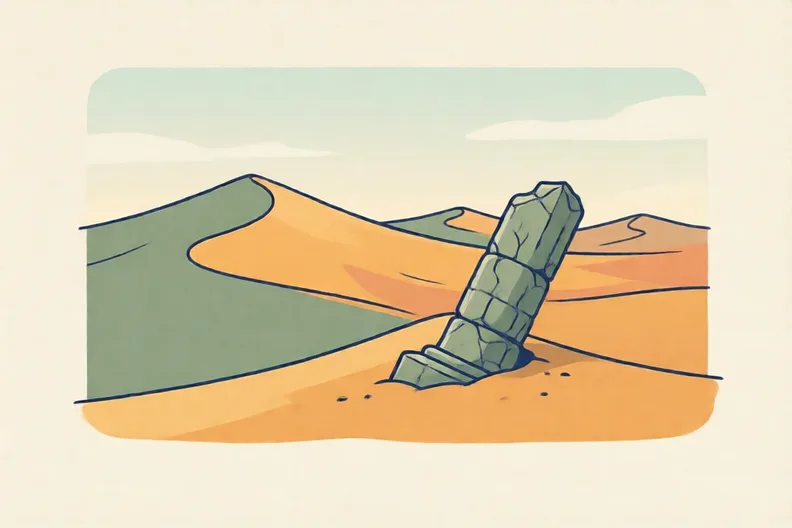
Sand dunes with a broken stone pillar half buried
  1. 1.

    Shelley packed a big idea into 14 lines. Write two lines about a statue that will not last.

How did it feel?

Did the last lines of the poem surprise you? Tell your grown-up one thing you noticed.

I can do it Nearly Not yet
StudyDen · Year 3 · English · Poetry inspired by big and small objects: understanding formAnswers are on the grown-up page

For the grown-up

Reading tricky poems line by line · 2 minutes to read

Answers, and what a wrong one tells you

A

1. glad

2. The king sat down., The King sat down. If your child circles the first sentence, point to the small t. Ask: what must a sentence start with?

3. Nouns: statue, desert · Verbs: run, stood If a word is in the wrong column, ask your child whether the word names something or shows something being done.

B

1. faint

C

1. sonnet

2. theme

3. sculptor

4. poem

D

1. 14 If your child gives a small number, they have mixed the poem up with a haiku. Read the line above: it is a sonnet. Ask: how many lines does a sonnet have?

E

1. Look for: Two lines about a statue or thing that does not last, using at least one describing word. If the lines describe only what the statue looks like, ask your child what happens to it in the end.

Words to use

Say“Read one line at a time. What is the tricky word, and which words near it give you a clue?”
Instead of“Just read the poem again faster until it makes sense.”

After the sheet

Read a line from a favourite book aloud. Pick one tricky word and guess its meaning from the words around it, then check in a dictionary together.

Tick what your child got right in StudyDen. Anything missed comes back in a later Look back box, so there's no need to redo the sheet.

The rest of this unit

7 more sheets come with a StudyDen plan, in teaching order:

  1. Counting beats for a haiku(with a plan)
  2. Puzzle poems with kennings(with a plan)
  3. Finding Words for Big(with a plan)
  4. Choosing Words on Purpose(with a plan)
  5. Choosing a small subject(with a plan)
  6. Free verse about a small object(with a plan)
  7. Bringing your poem to life(with a plan)

Every Year 3 English worksheet

The worksheets plan opens a printable sheet for every lesson in Years 1 to 6, each with its answers on a separate page for you. It costs £6.99 a month or £59 a year for the whole family, with no free trial.

The full StudyDen plan adds the lessons themselves, marked as your child works, with the worksheets included. It is 7 days free, then £29.99 a month.

Both start with a free account; you choose the plan when you sign up.