← Year 3 English worksheets

Year 3 How Bees Make Honey: explanation text worksheet

“Keeping explanations in order” is free to print, with no account. It is the first sheet in the Year 3 English unit “How Bees Make Honey: explanation text”, for children aged 7 to 8, and takes about 20 minutes.

Print it on A4. The child's pages come first; the answers, and what each wrong answer tells you, are on the grown-up page that follows. Weeks 26 to 27 of the year, 8 sheets in the unit.

Free sample · answers on the last page

Keeping explanations in order

Name: ____________ · Date: ____________
Year 3 · English · about 20 minutes
Answers are on the grown-up page

Today I can explain why the steps in an explanation text must follow the real order, using fronted adverbials.

A Look back3 min

  1. 1.

    Circle the word that could replace 'Mia' in the second sentence: Mia put on her coat. Mia ran out.

    Mia put onher coat.Mia ran out.
    SheThemQuicklyUnder
  2. 2.

    Circle the word that shows the hat belongs to Sam: This is ___ hat.

    the hatbelongsto Sam
    Sam'sSamsSam'Same
  3. 3.

    Circle the mark that ends this question: Where is the hive

    Where isthe hiveHive is bya tree.
    ?.!,

B Watch me, then you4 min

Read this short explanation of how a seed grows into a plant. Notice the order and the signpost words.

Watch me
Seed in soilRoots grow downShoot pushes upLeaves open

First, the seed soaks up water.

Next, the roots grow down into the soil.

Then, a shoot pushes up towards the light.

As a result, the plant can make its own food.

Now you
  1. 1.

    Circle the ordering fronted adverbial to start this sentence: ___ the leaves open in the sunshine.

    Seed in soilRoots grow downShoot pushes upLeaves open
    Finally,Sadly,Loudly,Because,
  2. 2.

    Circle the fronted adverbial of cause to start this sentence: ___ the plant can make its own food.

    Leavescatch lightPlantmakes food
    As a result,First,Then,Finally,

C Your turn8 min

Read about making toast. Work out the order, then pick the signpost words.
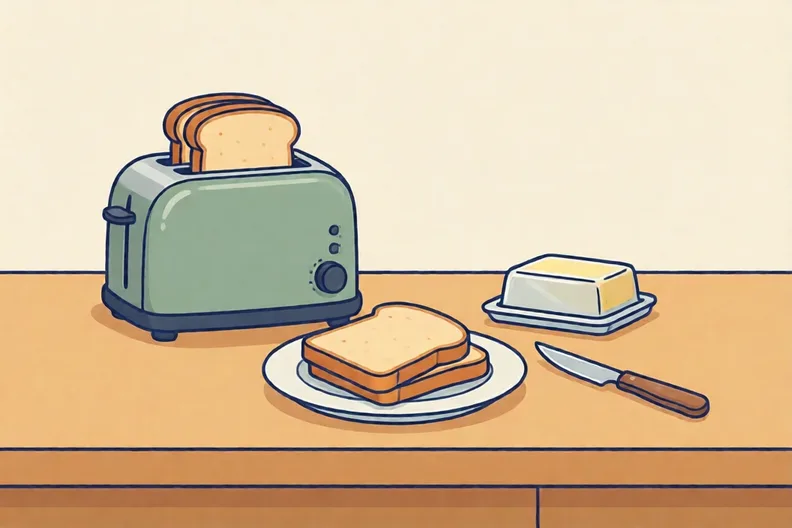
A kitchen worktop with a toaster, a plate of bread and a butter dish
  1. 1.

    Number these steps for making toast from 1 to 4.

    1. Wait until the toast pops up.
    2. Spread butter on the toast.
    3. Press the lever down.
    4. Put two slices of bread in the toaster.
  2. 2.

    Circle the ordering fronted adverbial for this sentence: ___ the bread pops up.

    Then,Sadly,Because it is hot,Under the table,
  3. 3.

    Write each signpost word in the right column.

    Next,As a result,Finally,Because of this,
    Shows orderShows cause
  4. 4.

    Circle the sentence with a comma after the fronted adverbial and a full stop at the end.

    Then the bread pops up.Then, the bread pops up.Then the, bread pops up.Then, the bread pops up

Say it out loud: Which words tell the reader when? Which words tell the reader why? How do you know?

D Spot the mistake3 min

Kit says: “Press the lever down. Then put the bread in the toaster. Finally, the toast pops up.”
Press the lever downBread in toasterThe toast pops up
  1. 1.

    Circle the step that must come first.

    Press the lever down.Put the bread in the toaster.The toast pops up.

E Think deeper4 min
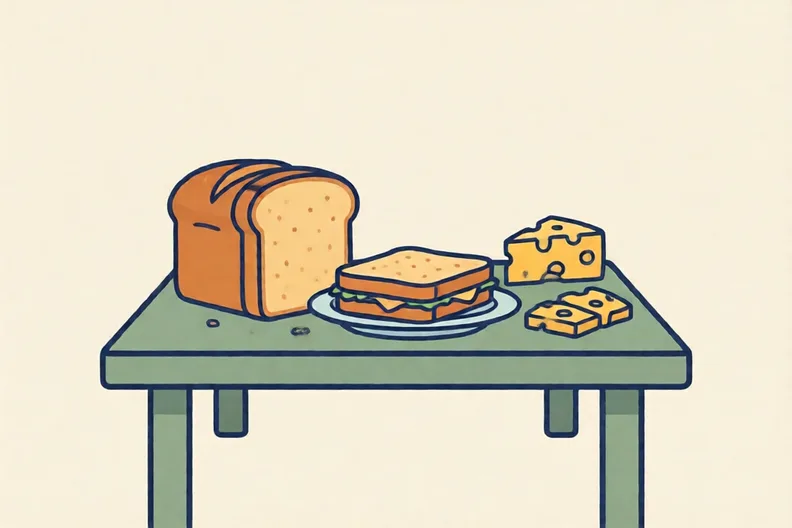
A kitchen table with two slices of bread, a plate and some cheese slices
  1. 1.

    Pick a process you know well, such as making a sandwich. Write two sentences about it in order. Start them with First, and Then,. Tell your grown-up why the order matters.

How did it feel?

I can do it Nearly Not yet
StudyDen · Year 3 · English · How Bees Make Honey: explanation textAnswers are on the grown-up page

For the grown-up

Keeping explanations in order · 2 minutes to read

Answers, and what a wrong one tells you

A

1. She

2. Sam's

3. ?

B

1. Finally, If your child circles 'Because,', that is a cause word on its own, not an order word. Ask: which word tells us when the leaves open?

2. As a result, If your child circles 'Then,', that shows order, not cause. Ask: does the food happen because the leaves caught sunlight?

C

1. 1 Put two slices of bread in the toaster. · 2 Press the lever down. · 3 Wait until the toast pops up. · 4 Spread butter on the toast. If your child puts the butter first, they think any order will do. Ask: what can you spread before the toast is made?

2. Then, If your child circles 'Because it is hot,', that is a cause, not an order. Ask: which word shows the next step?

3. Shows cause: As a result,, Because of this, · Shows order: Next,, Finally,

4. Then, the bread pops up.

D

1. Put the bread in the toaster. If your child circles the lever, they have kept Kit's order. Ask: if the lever goes down first, what is there to toast? Explanations must follow the real order.

E

1. Look for: Two sentences in order, starting with First, and Then, with commas, plus a reason that says a later step needs the earlier one.

Words to use

Say“Which step has to happen first? Could this step come any earlier or later?”
Instead of“That is nearly right, just read it again and it will come to you.”

After the sheet

Write four steps of making a cup of tea on separate pieces of paper. Mix them up, then put them back in order together and say why each step needs the one before it.

Tick what your child got right in StudyDen. Anything missed comes back in a later Look back box, so there's no need to redo the sheet.

The rest of this unit

7 more sheets come with a StudyDen plan, in teaching order:

  1. Putting honey steps in order(with a plan)
  2. Exact words for explaining(with a plan)
  3. Opening Your Honey Text(with a plan)
  4. Planning with short notes(with a plan)
  5. Bees Collecting Nectar(with a plan)
  6. Planning Inside the Hive(with a plan)
  7. Inside the hive(with a plan)

Every Year 3 English worksheet

The worksheets plan opens a printable sheet for every lesson in Years 1 to 6, each with its answers on a separate page for you. It costs £6.99 a month or £59 a year for the whole family, with no free trial.

The full StudyDen plan adds the lessons themselves, marked as your child works, with the worksheets included. It is 7 days free, then £29.99 a month.

Both start with a free account; you choose the plan when you sign up.