← Year 3 English worksheets

Year 3 More suffixes and silent letters worksheet

“Adding -y to make adjectives” is free to print, with no account. It is the first sheet in the Year 3 English unit “More suffixes and silent letters”, for children aged 7 to 8, and takes about 20 minutes.

Print it on A4. The child's pages come first; the answers, and what each wrong answer tells you, are on the grown-up page that follows. Weeks 7 to 9 of the year, 12 sheets in the unit.

Free sample · answers on the last page

Adding -y to make adjectives

Name: ____________ · Date: ____________
Year 3 · English · about 20 minutes
Answers are on the grown-up page

Today I can spell adjectives made with -y by checking the end of the root word.

A Look back3 min

  1. 1.

    Circle the correct spelling of 'jump' with -ing added.

    jump
    jumpingjumppingjumpeing
  2. 2.

    Circle the correct spelling of 'hop' with -ed added.

    hop
    hoppedhopedhopept
  3. 3.

    Circle the plural of 'fox'.

    fox
    foxesfoxsfoxies

B Watch me, then you4 min

Mia sees a dusty shelf in the old barn. The noun 'dust' becomes the adjective 'dusty'.
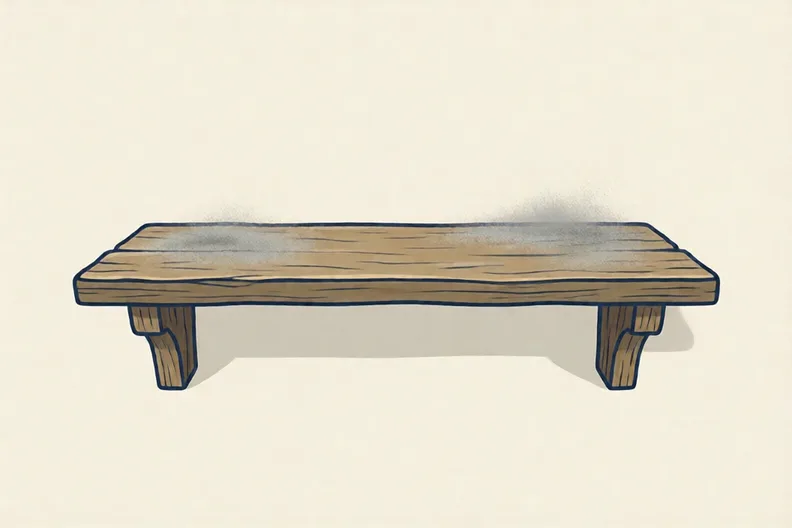
An old wooden shelf with a grey layer of dust on its top.
Watch me
dustdusty

Dust ends in two consonants, s and t.

Just add -y: dust + y = dusty.

The shelf is dusty.

Now you
  1. 1.

    The noun 'sand' becomes an adjective. Circle the correct word.

    sand
    sandysandeysanndy
  2. 2.

    The noun 'milk' becomes an adjective. Circle the correct word.

    milk
    milkymilkeymilkky

C Your turn6 min

Read each root word. Circle the right spelling of the adjective with -y.

  1. 1.

    The noun 'frost' becomes an adjective. Circle the correct word.

    frost
    frostyfrosteyfrosy
  2. 2.

    The noun 'shine' becomes an adjective. Circle the correct word.

    shine
    shinyshineyshinny
  3. 3.

    The noun 'mud' becomes an adjective. Circle the correct word.

    mud
    muddymudymuddey
  4. 4.

    The noun 'noise' becomes an adjective. Circle the correct word.

    noise
    noisynoiseynoisy with two i's

Say it out loud: Which letter did you look at first in each root word, and what did it tell you to do?

D Spot the mistake3 min
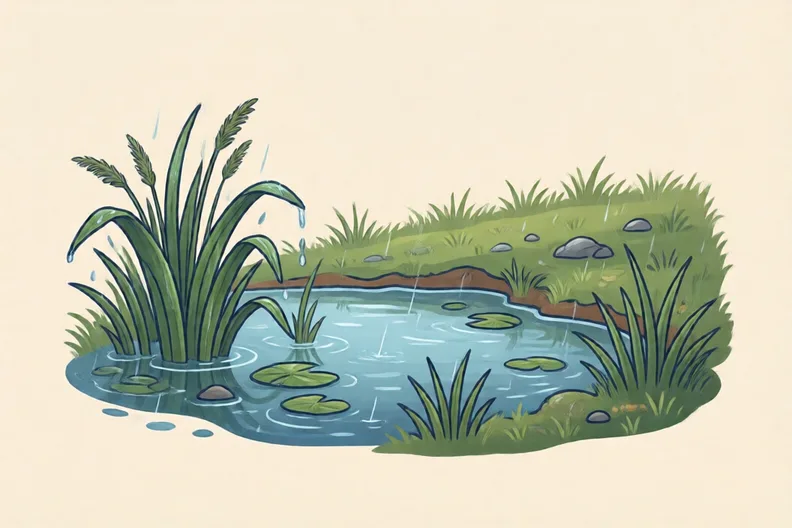
A muddy pond edge after rain, with wet green weeds and a puddle
Noah says: “The pond was very slimey after the rain.”
  1. 1.

    Circle the correct spelling Noah should have used.

    slimeyslimyslimmy

E Think deeper4 min

Look at the kitchen scene and name things you can see, such as soap or a sponge. Turn each name into an adjective with -y.
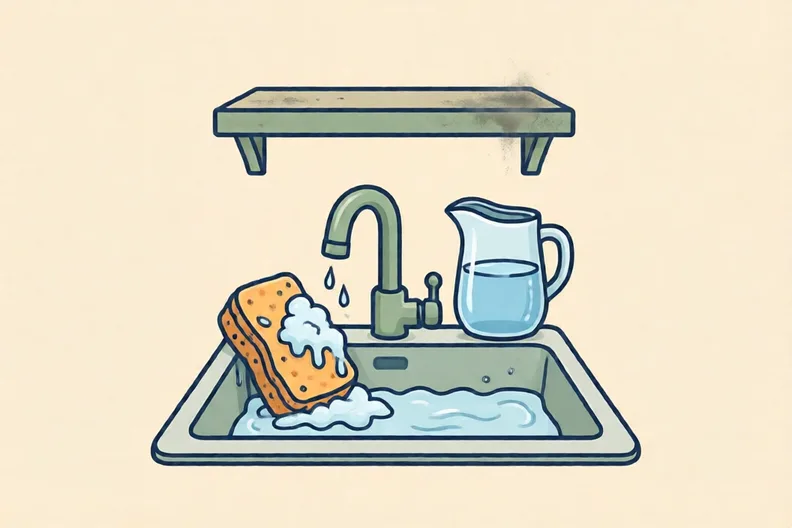
A kitchen sink with a soapy sponge, a jug of water and a dusty shelf
  1. 1.

    Write nouns you can see in the kitchen picture, each turned into a -y adjective. Write the rule you used beside each one.

How did it feel?

I can do it Nearly Not yet
StudyDen · Year 3 · English · More suffixes and silent lettersAnswers are on the grown-up page

For the grown-up

Adding -y to make adjectives · 2 minutes to read

Answers, and what a wrong one tells you

A

1. jumping If they write 'jumpping', they doubled the p. Say: jump ends in two consonants (m and p), so no letter doubles. Doubling only happens after one short vowel and one consonant, as in hop.

2. hopped If they write 'hoped', they forgot to double the p. Say: hop has one short vowel and one consonant, so double the p before -ed.

3. foxes If they write 'foxs', they added only -s. Say: words ending in x need -es, so fox becomes foxes.

B

1. sandy If they circle 'sandey', they added an e that is not needed. Say: sand ends in two consonants, so just add -y.

2. milky If they write 'milkey', they added an e from nowhere. Say: milk ends in a consonant, so add -y straight on.

C

1. frosty If they write 'frostey', they added an e and y. Say: frost ends in two consonants, so only -y is needed.

2. shiny If they write 'shiney', they kept the e. Say: shine ends in e, so drop the e, then add -y. It is a common mistake, so ask them to say the rule aloud.

3. muddy If they write 'mudy', they forgot to double the d. Say: mud has one short vowel and one consonant, so double the d, then add -y.

4. noisy If they write 'noisey', they kept the e. Say: noise ends in e, so take the e away before adding -y.

D

1. slimy If they circle 'slimey', they kept the e. Say: slime ends in e, so drop the e first, then add -y to make slimy.

E

1. Look for: Real -y adjectives made from nouns, each with the rule used: just add -y, drop the e, or double the consonant.

Words to use

Say“Look at the end of the root word first. Which of the three rules does it need?”
Instead of“Just say the spelling is wrong and tell them to try again.”

After the sheet

Go on a word hunt at home for things like soap, dust and sponges. Add -y to each name, then check each word against the three rules together.

Tick what your child got right in StudyDen. Anything missed comes back in a later Look back box, so there's no need to redo the sheet.

The rest of this unit

11 more sheets come with a StudyDen plan, in teaching order:

  1. Adding -y to words(with a plan)
  2. Adding -ly to words(with a plan)
  3. Adverbs with -ly(with a plan)
  4. Adding -ful and -less(with a plan)
  5. Suffix Superpowers: -ful and -less(with a plan)
  6. Adding -er and -est(with a plan)
  7. Comparing with -er and -est(with a plan)
  8. Tricky -er and -est endings(with a plan)
  9. Build -er and -est words(with a plan)
  10. Hidden letters in words(with a plan)
  11. Silent letters: b, w, k and g(with a plan)

Every Year 3 English worksheet

The worksheets plan opens a printable sheet for every lesson in Years 1 to 6, each with its answers on a separate page for you. It costs £6.99 a month or £59 a year for the whole family, with no free trial.

The full StudyDen plan adds the lessons themselves, marked as your child works, with the worksheets included. It is 7 days free, then £29.99 a month.

Both start with a free account; you choose the plan when you sign up.