← Year 3 English worksheets

Year 3 Speech first punctuation and apostrophes worksheet

“Inverted commas show speech” is free to print, with no account. It is the first sheet in the Year 3 English unit “Speech first punctuation and apostrophes”, for children aged 7 to 8, and takes about 20 minutes.

Print it on A4. The child's pages come first; the answers, and what each wrong answer tells you, are on the grown-up page that follows. Weeks 3 to 4 of the year, 5 sheets in the unit.

Free sample · answers on the last page

Inverted commas show speech

Name: ____________ · Date: ____________
Year 3 · English · about 20 minutes
Answers are on the grown-up page

Today I can use inverted commas and a capital letter to show exactly what a character says.

A Look back3 min

  1. 1.

    The first letter of a sentence is a ____ letter. Circle the word.

    wordsfull stop
    capitalsmallfull
  2. 2.

    A question ends with a . Circle the name of the mark.

    a question
    question markfull stopcomma
  3. 3.

    Which joining word links “Ola ran home” and “Ola had tea” to show both happened?

    Ola ran homeOla had tea
    andcatthe

B Watch me, then you4 min

Priya sees a fox in the garden. Some people call inverted commas speech marks, but their proper name is inverted commas.
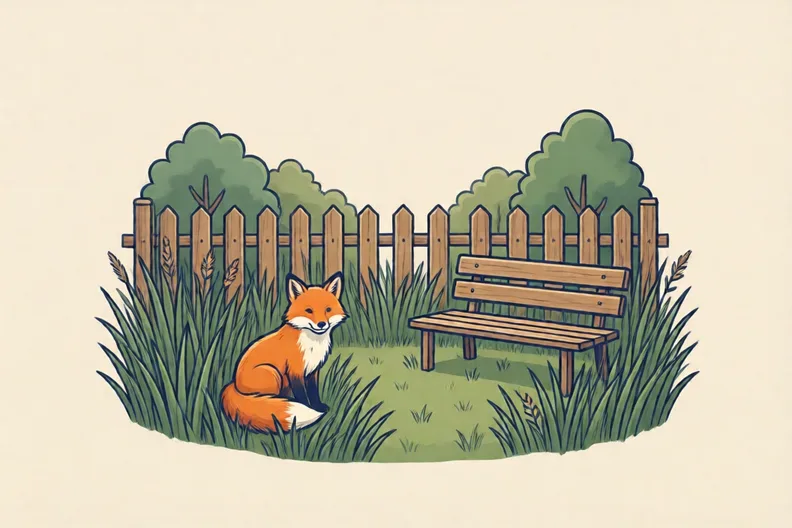
A small garden with a fox sitting in the long grass by a fence
Watch me
opening marksthe spoken wordsclosing markswho spoke

Find the exact words Priya says: Look at that fox!

Put opening inverted commas before the L, with a capital letter.

Put closing inverted commas after the exclamation mark, then add said Priya.

Now you
  1. 1.

    Write this with inverted commas and a capital letter: come with me now, said Ali.

    the wordswho spoke

C Your turn8 min

Each row changes one thing. Watch the punctuation and the first letter of the speech. Their proper name is inverted commas.

  1. 1.

    Circle the line that is written correctly.

    capital lettercomma insideclosing markswho spoke
    “Hurry up,” said Ali.“hurry up,” said Ali.Hurry up, said Ali.“Hurry up” said Ali.
  2. 2.

    Rewrite with the speech first: Zara said we can wait here.

    opening marksthe wordsclosing markswho spoke
  3. 3.

    Circle the line that is written correctly.

    exclamation markclosing markswho spoke
    “Look out!” shouted Bea.“Look out”! shouted Bea.“Look out!”, shouted Bea.“Look out!” Shouted Bea.
  4. 4.

    Write one line a fox might say, then who said it. Use inverted commas and a capital letter.

    the fox'swordswho spoke

Say it out loud: Which mark sits right before the word said, and what letter starts the speech?

D Spot the mistake3 min

Kit writes: “we can go now,” Mia said.
opening markscapital letterthe spoken wordsclosing markswho spoke
  1. 1.

    Kit has the words right. Choose the correct first word of Mia's speech.

    who spoke
    weWeNow

E Think deeper4 min

  1. 1.

    Mia slams the door and says fine. Write what she says with inverted commas. Then write how she really feels.

How did it feel?

I can do it Nearly Not yet
StudyDen · Year 3 · English · Speech first punctuation and apostrophesAnswers are on the grown-up page

For the grown-up

Inverted commas show speech · 2 minutes to read

Answers, and what a wrong one tells you

A

1. capital your child may be thinking of the last mark. Point to the start of the chain and ask what a sentence begins with.

2. question mark your child may have picked the full stop. Ask which mark a question ends with, and check the picture again.

3. and

B

1. Look for: Opening inverted commas before Come, a capital C, the words with a comma inside the closing inverted commas, then said Ali. your child has left out the inverted commas or the capital. Read the words aloud and point to where each mark goes.

C

1. “Hurry up,” said Ali. If your child picks the line with the small h, say: the first word inside the inverted commas needs a capital letter.

2. Look for: Opening inverted commas, a capital W on We, a comma inside the closing inverted commas, then said Zara and a full stop.

3. “Look out!” shouted Bea. If your child picks the line with a comma after the closing inverted commas, say: the exclamation mark already ends the speech, so no comma is needed.

4. Look for: A line of speech inside opening and closing inverted commas, starting with a capital letter, followed by a speaker such as said or shouted.

D

1. We your child has the words right but missed the capital. Say the first word aloud and ask which letter starts a speech.

E

1. Look for: Writes Mia's word in inverted commas with a capital F and a comma inside, adds who spoke, then says Mia is cross or upset.

Words to use

Say“Show me where the inverted commas go. Who is speaking, and what is the very first letter inside them?”
Instead of“Just call them speech marks, it doesn't matter what they are called.”

After the sheet

Read a page of a favourite book aloud together. Point to each pair of inverted commas and say who is speaking, then swap roles.

Tick what your child got right in StudyDen. Anything missed comes back in a later Look back box, so there's no need to redo the sheet.

The rest of this unit

4 more sheets come with a StudyDen plan, in teaching order:

  1. Speech first sentences(with a plan)
  2. Apostrophes that join or own(with a plan)
  3. Apostrophes for more owners(with a plan)
  4. Apostrophes for owners(with a plan)

Every Year 3 English worksheet

The worksheets plan opens a printable sheet for every lesson in Years 1 to 6, each with its answers on a separate page for you. It costs £6.99 a month or £59 a year for the whole family, with no free trial.

The full StudyDen plan adds the lessons themselves, marked as your child works, with the worksheets included. It is 7 days free, then £29.99 a month.

Both start with a free account; you choose the plan when you sign up.