← Year 3 English worksheets

Year 3 The Stone Age: non-chronological report worksheet

“Stone Age report features” is free to print, with no account. It is the first sheet in the Year 3 English unit “The Stone Age: non-chronological report”, for children aged 7 to 8, and takes about 20 minutes.

Print it on A4. The child's pages come first; the answers, and what each wrong answer tells you, are on the grown-up page that follows. Weeks 31 to 33 of the year, 10 sheets in the unit.

Free sample · answers on the last page

Stone Age report features

Name: ____________ · Date: ____________
Year 3 · English · about 20 minutes
Answers are on the grown-up page

Today I can spot the features that make a non-chronological report sound informative.

A Look back3 min

  1. 1.

    The flint was grey. Circle the word that describes the flint.

    flintgreywas
  2. 2.

    Circle the word that names a happy feeling.

    gladtablerun
  3. 3.

    Put these story steps in order.

    1. Catch a fish
    2. Wake up
    3. Walk to the river

B Watch me, then you4 min

A non-chronological report groups facts by theme. A fronted adverbial starts a sentence and always has a comma after it.
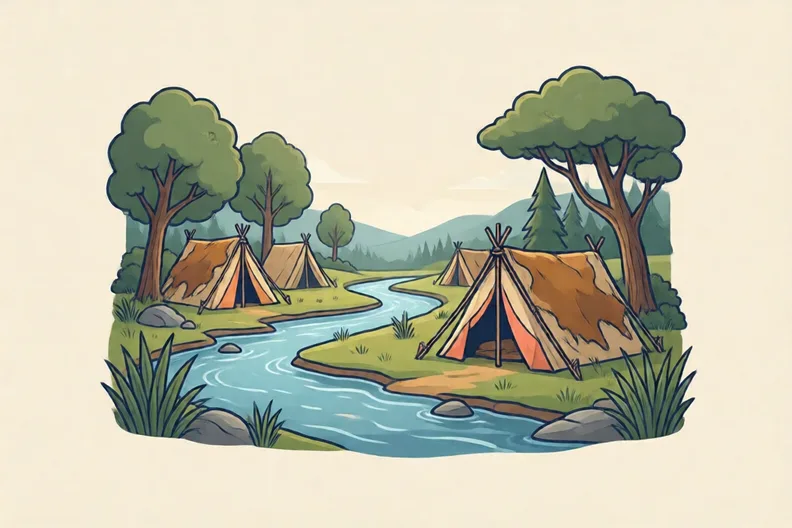
A Stone Age camp by a river with a few skin tents and no people
Watch me
FactStarter and commaNew detail

Stone Age people hunted animals for meat.

Additionally, they gathered nuts and berries.

The starter adds a new point, and the comma marks where it ends.

Now you
  1. 1.

    Stone Age people made tools from flint. Which starter adds one more point to this sentence?

    FactNew detail
    Additionally,However,Amazingly,

C Your turn7 min

Work through the four questions. Read each sentence aloud before you choose.

  1. 1.

    Sort these starters into the right column.

    Adds a pointShows a contrastGives a view
    Additionally,However,Amazingly,In addition,In contrast,
    Adds a pointShows a contrastGives a view
  2. 2.

    Stone Age people hunted animals for meat. Which starter shows a contrast with this sentence?

    FactNew point
    In addition,However,Interestingly,
  3. 3.

    Which sentence puts the comma in the right place?

    Howeverthe flint was sharp
    However the flint was sharp.However, the flint was sharp.However the, flint was sharp.
  4. 4.

    Write two sentences about how Stone Age people built shelters. Start your second sentence with a fronted adverbial and a comma.

    Sentence1: a factStarter,commaSentence 2:new point

Say it out loud: How can you tell where the starter ends? What is the comma doing there?

D Spot the mistake3 min
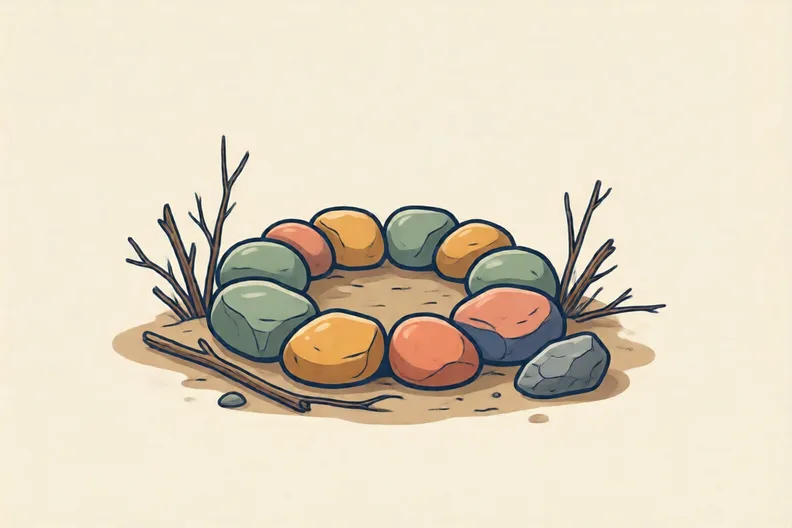
A small stone fire ring on the ground with dry sticks and a flint
Ali says: “Stone Age people were, like, totally brilliant at making fire, so my report can be chatty.”
  1. 1.

    Rewrite Ali's sentence in formal language so it fits an information report.

E Think deeper4 min

  1. 1.

    Explain why a Stone Age report is not written like a story. Use the words 'theme' and 'time' in your answer.

    FoodHomesTools

How did it feel?

I can do it Nearly Not yet
StudyDen · Year 3 · English · The Stone Age: non-chronological reportAnswers are on the grown-up page

For the grown-up

Stone Age report features · 2 minutes to read

Answers, and what a wrong one tells you

A

1. grey

2. glad

3. 1 Wake up · 2 Walk to the river · 3 Catch a fish

B

1. Additionally, If your child picks 'However,', they think the next sentence contrasts. Ask: does the new sentence add more, or push against the first?

C

1. Adds a point: Additionally,, In addition, · Gives a view: Amazingly, · Shows a contrast: However,, In contrast, If 'Amazingly,' sits under 'Adds a point', your child may think every starter adds information. Ask: is the writer sharing how they feel about the fact?

2. However, If your child picks 'In addition,', the starter adds a point rather than contrasting. Ask: does the next sentence push against the first one?

3. However, the flint was sharp. If your child picks a sentence with no comma or the comma after 'the', ask them to say the starter aloud and hear where the pause falls.

4. Look for: Two sentences about Stone Age shelters. The second sentence starts with a fronted adverbial such as Additionally or In contrast, followed by a comma. If the comma is missing, your child should read the sentence aloud and pause after the starter. Point to where the pause falls and add the comma.

D

1. Look for: A formal sentence about Stone Age fire-making that removes chatty words like 'like' and 'totally' and keeps the facts. If your child only deletes 'like', the sentence is still chatty. Ask: would this sentence sound right in a school information book?

E

1. Look for: Explains that the report is organised by theme, such as food or homes, not in time order like a story.

Words to use

Say“Read the starter aloud. Does the second sentence add a point, or push against the first? Where does the comma go?”
Instead of“That's close, just write it in a nicer way.”

After the sheet

Find an information leaflet or a museum card at home. Find a sentence that begins with a starter and a comma, such as However, or Additionally. Read it aloud and say which kind of starter it is.

Tick what your child got right in StudyDen. Anything missed comes back in a later Look back box, so there's no need to redo the sheet.

The rest of this unit

9 more sheets come with a StudyDen plan, in teaching order:

  1. Opening your Stone Age report(with a plan)
  2. Planning with short notes(with a plan)
  3. Writing about Stone Age diet(with a plan)
  4. Planning with short notes(with a plan)
  5. Writing about Stone Age houses(with a plan)
  6. Planning the artefacts paragraph(with a plan)
  7. Writing about artefacts(with a plan)
  8. Ending the Stone Age report(with a plan)
  9. Publishing my Stone Age report(with a plan)

Every Year 3 English worksheet

The worksheets plan opens a printable sheet for every lesson in Years 1 to 6, each with its answers on a separate page for you. It costs £6.99 a month or £59 a year for the whole family, with no free trial.

The full StudyDen plan adds the lessons themselves, marked as your child works, with the worksheets included. It is 7 days free, then £29.99 a month.

Both start with a free account; you choose the plan when you sign up.