← Year 6 English worksheets

Year 6 Shakespeare's 'Romeo and Juliet': diary and narrative writing worksheet

“Why the story ends so sadly” is free to print, with no account. It is the first sheet in the Year 6 English unit “Shakespeare's 'Romeo and Juliet': diary and narrative writing”, for children aged 10 to 11, and takes about 22 minutes.

Print it on A4. The child's pages come first; the answers, and what each wrong answer tells you, are on the grown-up page that follows. Weeks 18 to 20 of the year, 12 sheets in the unit.

Free sample · answers on the last page

Why the story ends so sadly

Name: ____________ · Date: ____________
Year 6 · English · about 22 minutes
Answers are on the grown-up page

Today I can explain why characters in Romeo and Juliet make drastic choices.

A Look back3 min

  1. 1.

    In 'The house, which stood nearby, was old.' which word starts the extra information?

    The housewhich stood nearbywas old
    whichhousewas
  2. 2.

    Which word shows the strongest feeling?

    crossfuriousannoyed
  3. 3.

    Join each word to its meaning. Write the line from the word to its match.

    narrativeexplanationdescription
    narrativeexplanationdescription
    paints a picture with detailtells a story in orderexplains how or why something happens

B Watch me, then you4 min

Romeo and Juliet both die in the tomb. Watch how one event leads to the next.

A quiet street in an Italian town at dusk with old stone houses
Watch me
Juliet seems deadRomeo takes poisonJuliet wakes up

Romeo believes Juliet is dead.

He cannot bear to live without her.

So he takes poison, and Juliet wakes too late.

Now you
  1. 1.

    Juliet wakes and finds Romeo dead. Why does she stab herself? Choose one.

    Julietwakes upJuliet stabsherself
    She is clumsyShe cannot live without RomeoHer parents tell her to

C Your turn7 min

Read each event. Decide which theme it shows most.

  1. 1.

    Romeo and Juliet fall in love at a party and marry the next day. Which theme does this show most?

    Romeo meetsJulietThey marrynext day
    LoveChanceConflict
  2. 2.

    The message telling Romeo the truth is held up. Which theme does this show most?

    Friar'sletter sentQuarantineblocks it
    LoveChanceYouth
  3. 3.

    Sort these events into the theme columns. Conflict means the two families fighting. Youth means young people and their parents wanting different things.

    FamiliesfightParents pickhusband
    Families fightTybalt kills MercutioHer parents choose Paris
    ConflictYouth
  4. 4.

    Sort these events into the theme columns. Love: what Romeo and Juliet feel for each other. Chance: luck or timing. Conflict: the feud. Youth: a young person standing up to her parents.

    LoveChanceConflictYouth
    Juliet wants to choose her own husbandRomeo and Juliet marry in secretJuliet learns Romeo killed her cousinJuliet is on her balcony as Romeo passes
    LoveChanceConflictYouth

Say it out loud: Which words in each question tell you the theme? What changed from one question to the next?

D Spot the mistake3 min
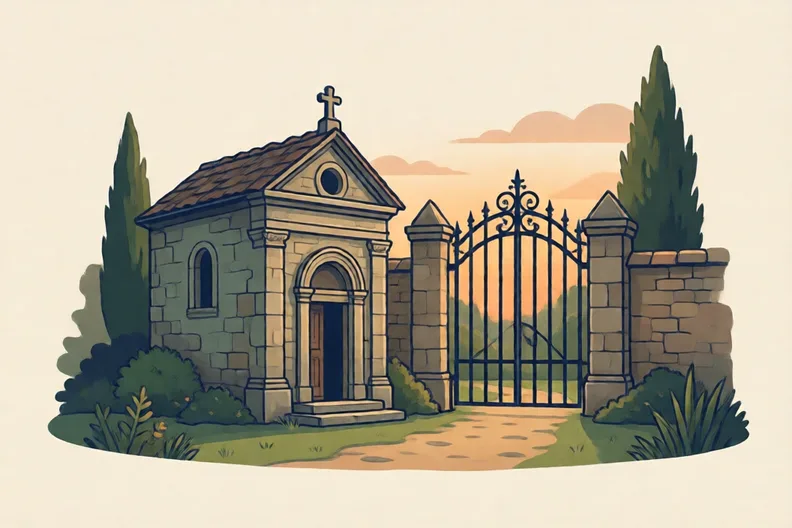
An old stone tomb in a churchyard at dusk
Kit says: “Juliet drinks the potion because she is bored of Romeo.”
  1. 1.

    Write one sentence giving the real reason Juliet takes the potion.

E Think deeper4 min

Shakespeare wants you to think, not just remember.

A quiet street in an Italian town at dusk with old stone houses
  1. 1.

    Friar Laurence's letter never reached Romeo. Was this the fault of a person or of chance? Explain in two or three sentences.

How did it feel?

I can do it Nearly Not yet
StudyDen · Year 6 · English · Shakespeare's 'Romeo and Juliet': diary and narrative writingAnswers are on the grown-up page

For the grown-up

Why the story ends so sadly · 2 minutes to read

Answers, and what a wrong one tells you

A

1. which your child may have picked 'house', which is the noun. Ask which word comes just before 'stood nearby'.

2. furious If your child picked 'cross', ask which word is stronger than angry. Place the three words on the scale from sunny to stormy.

3. narrative → tells a story in order; explanation → explains how or why something happens; description → paints a picture with detail If your child joins 'narrative' to 'description', ask what a story does: it moves through events from start to finish.

B

1. She cannot live without Romeo If your child picked 'clumsy', ask what Juliet has just seen when she wakes, and how she feels about Romeo.

C

1. Love If your child picked 'Chance', ask whether the marriage happens by luck or because they both want it.

2. Chance

3. Youth: Her parents choose Paris · Conflict: Families fight, Tybalt kills Mercutio If your child puts the parents' choice under Conflict, ask who is making the decision and whether Juliet is free to choose.

4. Love: Romeo and Juliet marry in secret · Youth: Juliet wants to choose her own husband · Chance: Juliet is on her balcony as Romeo passes · Conflict: Juliet learns Romeo killed her cousin

D

1. Look for: Mentions avoiding the marriage to Paris, or being with Romeo, not boredom. If your child writes that Juliet is bored, ask who her parents want her to marry, and who she has already married in secret.

E

1. Look for: A reasoned answer that names chance, such as the quarantine, and may also name a person's choice, with a because or reason.

Words to use

Say“What does the character want most? What do they do when they think they have lost it?”
Instead of“Tell them the answer is 'the characters were just silly'.”

After the sheet

Pick a story you both know well. Together, write three events on sticky notes, then ask: what did the hero want, and why did they act that way? Swap roles and try again.

Tick what your child got right in StudyDen. Anything missed comes back in a later Look back box, so there's no need to redo the sheet.

The rest of this unit

11 more sheets come with a StudyDen plan, in teaching order:

  1. Juliet's feelings in old words(with a plan)
  2. Words for Juliet's diary(with a plan)
  3. Planning Juliet's diary(with a plan)
  4. Juliet's diary, first half(with a plan)
  5. Past and present in a diary(with a plan)
  6. Reading Shakespeare's lines(with a plan)
  7. Duel words and moves(with a plan)
  8. Sorting the duel plan(with a plan)
  9. Sword fight, sentence by sentence(with a plan)
  10. Writing a tense scene(with a plan)
  11. Turning questions into debates(with a plan)

Every Year 6 English worksheet

The worksheets plan opens a printable sheet for every lesson in Years 1 to 6, each with its answers on a separate page for you. It costs £6.99 a month or £59 a year for the whole family, with no free trial.

The full StudyDen plan adds the lessons themselves, marked as your child works, with the worksheets included. It is 7 days free, then £29.99 a month.

Both start with a free account; you choose the plan when you sign up.