← Year 6 English worksheets

Year 6 Talking transitions worksheet

“Talking about big changes” is free to print, with no account. It is the first sheet in the Year 6 English unit “Talking transitions”, for children aged 10 to 11, and takes about 22 minutes.

Print it on A4. The child's pages come first; the answers, and what each wrong answer tells you, are on the grown-up page that follows. Week 36 of the year, 5 sheets in the unit.

Free sample · answers on the last page

Talking about big changes

Name: ____________ · Date: ____________
Year 6 · English · about 22 minutes
Answers are on the grown-up page

Today I can explain why a worry can shrink when it is shared, and reply to a friend in a way that shows I understand.

A Look back3 min

  1. 1.

    Which feeling word matches the storm on this scale? Circle the word.

    calmpleasedterrifiedcontent
  2. 2.

    Ali needs to know which books he needs before he packs. Put these story steps in order. Write 1, 2 or 3 in each box.

    StartMiddleEnd
    1. Ali feels ready to go.
    2. Ali packs his bag.
    3. Ali reads his timetable.
  3. 3.

    In the writing cycle, which stage comes straight after drafting? Circle the word.

    PlanDraftPublish
    plancheckpublishtidy

B Watch me, then you4 min

Noor is nervous about her new school. Read how Ali replies. Then try two replies of your own.

Watch me

Noor says: “I am worried about my new school.”

Ali looks at her and listens. He does not interrupt.

Ali says: “That sounds hard. It makes sense to feel like that.”

Now you
  1. 1.

    Priya says: “I'm worried nobody will sit with me at lunch.” Write a reply that shows you understand.

  2. 2.

    Sam says: “I'm excited but I'm also scared of getting lost.” Write a reply that shows you are listening.

C Your turn6 min

Read each message and circle the reply a good listener would give. Then sort the listening actions.

Hear the feelingSay it makes senseAsk to hear more
  1. 1.

    Noor says: “I'm a bit scared about my new school.” Circle the reply a good listener would give.

    “Don't be silly, it will be fine.”“That sounds scary. Do you want to talk about it?”“I didn't worry at all.”“Stop being scared.”
  2. 2.

    Ali says: “I can't wait to try the science lab!” Circle the reply a good listener would give.

    “Science is boring.”“Me too, what are you most excited about?”“Labs are for older kids.”“Let's not talk about it.”
  3. 3.

    Zara says: “I feel nervous and excited, and I don't know why.” Circle the reply that best shows empathy.

    “Nothing to be nervous about.”“Just forget about it.”“That feeling is common before a big change.”“Tell your mum to sort it out.”
  4. 4.

    Sort these actions. Write each one in the correct column.

    eye contactchecking your phonenoddinginterrupting with your own story
    Shows active listeningDoes not show active listening

Say it out loud: Which reply did you choose first, and what did it do that the other replies did not?

D Spot the mistake3 min
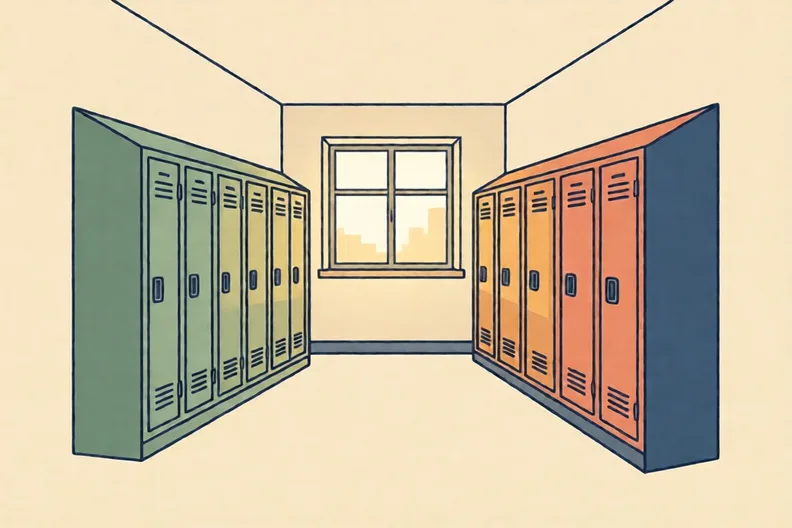
An empty school corridor with lockers and a window letting in morning light
Ali says: “When a friend shares a worry, you must always give advice, even if they only want you to listen.”
  1. 1.

    Write one sentence that corrects Ali.

E Think deeper4 min

Friend shares worryYou show you get itWorry feels smaller
  1. 1.

    Why might “I understand” help a friend more than a list of tips? Write two reasons.

How did it feel?

I can do it Nearly Not yet
StudyDen · Year 6 · English · Talking transitionsAnswers are on the grown-up page

For the grown-up

Talking about big changes · 2 minutes to read

Answers, and what a wrong one tells you

A

1. terrified

2. 1 Ali reads his timetable. · 2 Ali packs his bag. · 3 Ali feels ready to go.

3. check

B

1. Look for: A reply that names or accepts Priya's worry, such as it makes sense or it is hard, and does not dismiss it. If your child says “Don't worry” or “That's silly”, the feeling is being dismissed. Ask: how would you want a friend to reply?

2. Look for: A reply that mentions both the excitement and the worry, or asks Sam to say more, without brushing the worry aside.

C

1. “That sounds scary. Do you want to talk about it?” “Don't be silly” makes the worry seem small. Ask your child what makes the reply kind and what it invites Noor to do.

2. “Me too, what are you most excited about?”

3. “That feeling is common before a big change.” “Nothing to be nervous about” dismisses the feeling. Ask your child whether Zara would feel listened to after that reply.

4. Shows active listening: eye contact, nodding · Does not show active listening: checking your phone, interrupting with your own story

D

1. Look for: A correction saying advice is not always needed, and that sometimes listening and showing understanding is enough. If your child only writes “Ali is wrong”, ask why. Then ask what the friend might need in that moment.

E

1. Look for: Two reasons, such as the friend feels heard or less alone, or they may not want advice yet.

Words to use

Say“Think of Noor or Priya. Did they need tips, or did they need someone to hear them?”
Instead of“Just tell them what to do.”

After the sheet

At home, take turns: one person shares a small worry, the other only listens and says what they heard, then swap.

Tick what your child got right in StudyDen. Anything missed comes back in a later Look back box, so there's no need to redo the sheet.

The rest of this unit

4 more sheets come with a StudyDen plan, in teaching order:

  1. Speaking up clearly(with a plan)
  2. Disagreeing with respect(with a plan)
  3. Agree, disagree, meet(with a plan)
  4. Presenting with purpose(with a plan)

Every Year 6 English worksheet

The worksheets plan opens a printable sheet for every lesson in Years 1 to 6, each with its answers on a separate page for you. It costs £6.99 a month or £59 a year for the whole family, with no free trial.

The full StudyDen plan adds the lessons themselves, marked as your child works, with the worksheets included. It is 7 days free, then £29.99 a month.

Both start with a free account; you choose the plan when you sign up.