← Year 6 English worksheets

Year 6 Three tense forms, modality, active voice and passive voice worksheet

“Tenses with helping verbs” is free to print, with no account. It is the first sheet in the Year 6 English unit “Three tense forms, modality, active voice and passive voice”, for children aged 10 to 11, and takes about 20 minutes.

Print it on A4. The child's pages come first; the answers, and what each wrong answer tells you, are on the grown-up page that follows. Week 2 of the year, 4 sheets in the unit.

Free sample · answers on the last page

Tenses with helping verbs

Name: ____________ · Date: ____________
Year 6 · English · about 20 minutes
Answers are on the grown-up page

Today I can tell the simple, progressive and perfect tenses apart by their auxiliary verbs.

A Look back3 min

  1. 1.

    Circle the verb in: The dog barked at the postman.

    Who?What did they do?Where?
    dogbarkedpostmanat
  2. 2.

    Circle the right word: The children ___ ready.

    How many children?One childMany children= 1
    isare
  3. 3.

    Circle the adjective: The old bridge creaked loudly.

    naming worddescribing wordaction word
    oldbridgecreakedloudly

B Watch me, then you4 min

Ben is painting the fence. Find the auxiliary verb first, then decide which tense this is.
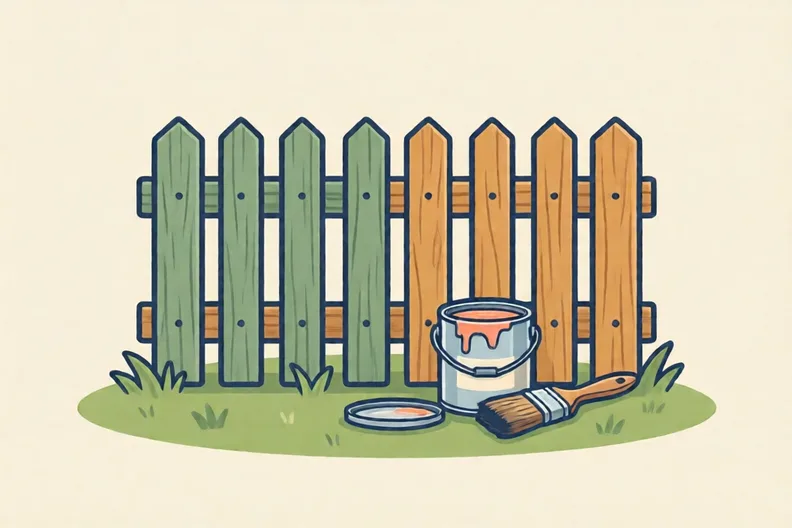
A wooden garden fence half painted green, with a paint tin and brush on the grass
Watch me
EarlierNowLater

The auxiliary verb is 'is'. It comes from the verb 'to be'.

'painting' is the main verb, with -ing on the end.

'is' + -ing is the progressive. It is happening now: present progressive.

Now you
  1. 1.

    Which tense is 'was sleeping' in: Priya was sleeping when the phone rang?

    helping verbmain verbtense name
    simple pastpast progressivepast perfectpresent progressive

C Your turn6 min

Each row uses the verb 'walk'. Only the tense changes. Circle the form that fits the time and the tense asked for.

YesterdayTodayTomorrow
  1. 1.

    Right now, they ___ home. (present progressive of walk)

    are walkinghave walkedwalkedwill walk
  2. 2.

    Yesterday, they ___ home in the rain. (past progressive of walk)

    Yesterdayrain on the paththey got home
    were walkinghad walkedwalkedwill walk
  3. 3.

    They ___ home already. (present perfect of walk)

    have walkedare walkingwalkedwill walk
  4. 4.

    By six o'clock, they ___ home. (future perfect of walk)

    123456789101112
    will have walkedwill be walkinghave walkedwill walk

Say it out loud: What changed between each row: the helping verb, the main verb, or both?

D Spot the mistake3 min
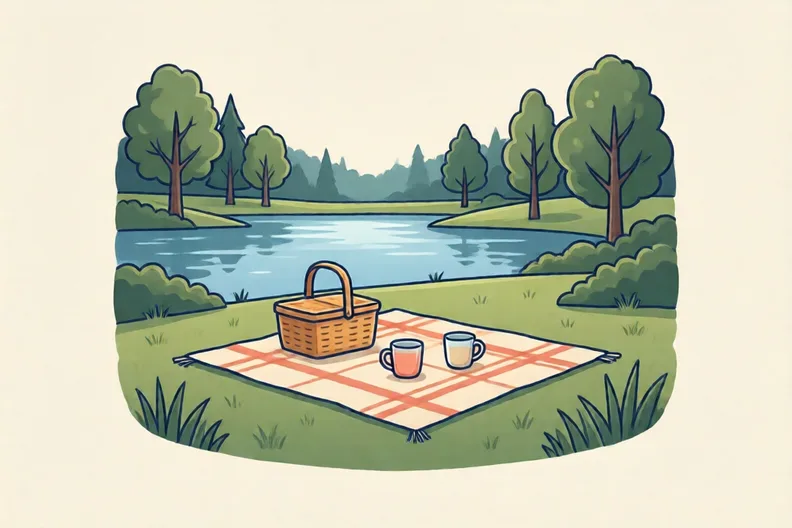
A picnic blanket and basket beside a calm lake under a clear sky
Kit says: “In ‘We had a picnic by the lake’, had is an auxiliary verb, so this is a perfect tense.”
  1. 1.

    Kit is wrong. What is 'had' in this sentence, and what tense is it? Write it on the lines.

E Think deeper4 min

A teapot and two cups on a kitchen table with a half-eaten cake
  1. 1.

    Say two sentences to your grown-up about the same tea-time: one in the past progressive, one in the present perfect. Then explain how the helping verb changes the meaning.

How did it feel?

I can do it Nearly Not yet
StudyDen · Year 6 · English · Three tense forms, modality, active voice and passive voiceAnswers are on the grown-up page

For the grown-up

Tenses with helping verbs · 2 minutes to read

Answers, and what a wrong one tells you

A

1. barked If they circle 'dog' or 'postman', ask what the dog did. The word that tells the action is the verb.

2. are If they circle 'is', ask how many children there are. Many children take 'are'. Verbs must agree with their subject.

3. old If they circle 'loudly', ask what it describes. 'Loudly' tells how it creaked, so it is an adverb. An adjective describes a naming word.

B

1. past progressive If they choose 'simple past', ask whether 'was' is on its own or with an -ing verb. With 'was' and -ing, it is progressive.

C

1. are walking If they choose 'walked', ask whether the action is still going on. Ongoing action with 'are' and -ing is progressive.

2. were walking If they choose 'had walked', ask whether 'had' is with the -ing form. Past progressive uses 'was' or 'were' with -ing.

3. have walked If they choose 'are walking', ask whether the action is finished. 'Have' with the past participle is perfect.

4. will have walked If they choose 'will be walking', ask whether the action will be finished by six. Finished before a future time is future perfect.

D

1. Look for: Says had is the main verb, not an auxiliary, because no second verb sits beside it; the sentence is simple past, not perfect. If they repeat that 'had' is auxiliary because it is a form of 'have', ask them to find the second verb. No second verb means 'had' is the main verb.

E

1. Look for: Two sentences: one with was or were plus an -ing verb, one with has or have plus a past participle, and an explanation that the first is ongoing while the second is finished and linked to now.

Words to use

Say“Which word tells you the tense: the helper or the main verb? Find the helper first.”
Instead of“Tell them the tense straight away, so they never have to hunt for the helping verb.”

After the sheet

Set three cups on the table. Say 'I am pouring tea', then 'I was pouring tea', then 'I have poured tea'. Ask which words changed each time.

Tick what your child got right in StudyDen. Anything missed comes back in a later Look back box, so there's no need to redo the sheet.

The rest of this unit

3 more sheets come with a StudyDen plan, in teaching order:

  1. Choosing the right modal(with a plan)
  2. Active or passive?(with a plan)
  3. Active and passive choices(with a plan)

Every Year 6 English worksheet

The worksheets plan opens a printable sheet for every lesson in Years 1 to 6, each with its answers on a separate page for you. It costs £6.99 a month or £59 a year for the whole family, with no free trial.

The full StudyDen plan adds the lessons themselves, marked as your child works, with the worksheets included. It is 7 days free, then £29.99 a month.

Both start with a free account; you choose the plan when you sign up.