← Year 6 English worksheets

Year 6 When the Sky Falls: reading worksheet

“Reading the clues in people” is free to print, with no account. It is the first sheet in the Year 6 English unit “When the Sky Falls: reading”, for children aged 10 to 11, and takes about 22 minutes.

Print it on A4. The child's pages come first; the answers, and what each wrong answer tells you, are on the grown-up page that follows. Weeks 29 to 30 of the year, 5 sheets in the unit.

Free sample · answers on the last page

Reading the clues in people

Name: ____________ · Date: ____________
Year 6 · English · about 22 minutes
Answers are on the grown-up page

Today I can explain what a character is like from what they do, say and have around them.

A Look back3 min

  1. 1.

    A writer plans, writes, then does one more step before sharing. Which step is missing from the cycle? Write it.

    PlanWriteShare
  2. 2.

    Which word joins the two parts of this sentence? Circle one.

    Joseph ran to schoolhe was late
    becauseunderquicklythe
  3. 3.

    Look at the timeline. Why might families in big cities want to send their children away once the Blitz started?

    1939194019411942194319441945Blitz startsWar ends

B Watch me, then you4 min

A new girl, Nell, arrives at a cottage. Read the clues, then see what they tell us about her.
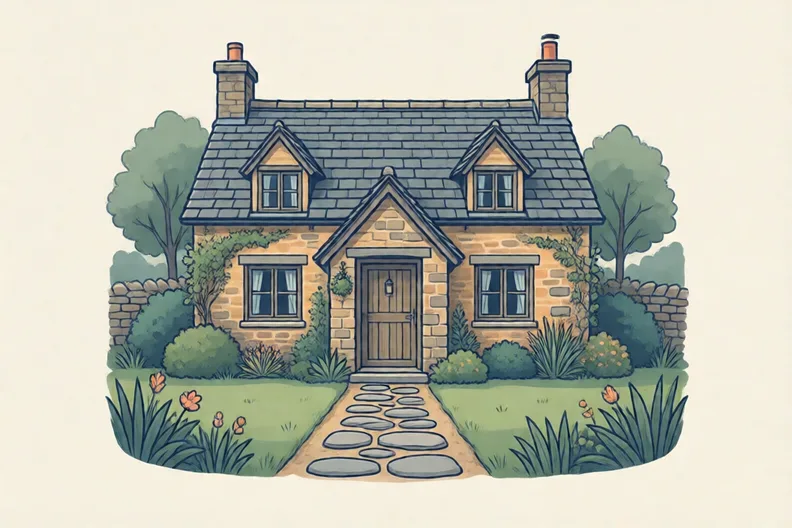
A small stone cottage with a closed wooden door and a garden path, quiet and grey in the morning
Watch me
Books in a neat rowSilent at dinnerFeels: unsure

Nell lines her books up neatly and says nothing at dinner.

Careful, quiet actions often show someone who feels unsure in a new place.

So we can infer that Nell is careful and perhaps nervous.

Now you
  1. 1.

    Sam holds tightly to his mum's coat sleeve at the gate. What does this show about how he feels?

    Holds coat sleeveStays by the gate

C Your turn8 min

Read each clue about a character, then answer.

  1. 1.

    Mrs F checks the blackout blind every night before she sits down. Which feeling fits best? Circle one.

    anxiouscheerfulbored
  2. 2.

    Joseph takes a bread roll from the table when no one is looking, then eats it behind the door. What is he most likely hiding? Circle one.

    Takes a bread rollEats behind the doorHides it away
    his hungerhis good mannershis favourite game
  3. 3.

    It is 1941, in the war. Mrs F switches off every light the moment a room is empty. Write what this shows about her, and why.

    Room is emptyShe turns light off
  4. 4.

    Mrs F says the sitting room is for Sundays only, and she says it without smiling. Write one word that describes her, and the clue that shows it.

    Sundays-only ruleSaid with no smile

Say it out loud: Which clue told you the most about Mrs F or Joseph, and why?

D Spot the mistake3 min
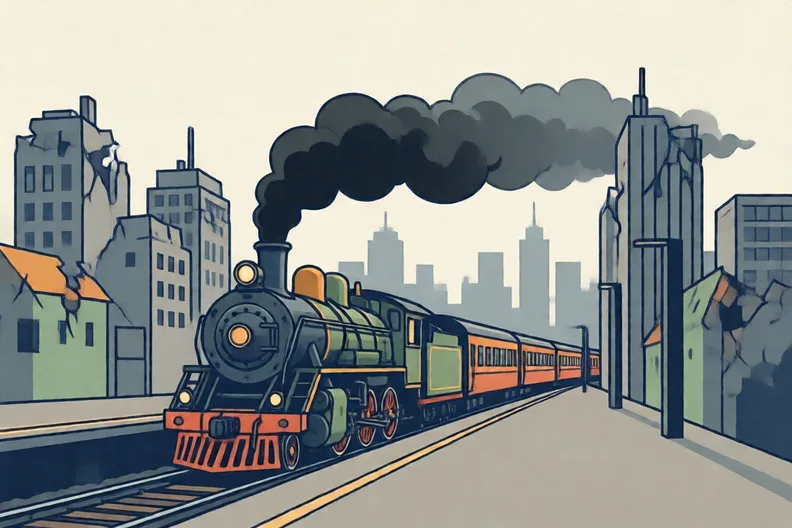
A steam train on a platform, smoke drifting from a city with broken rooftops.
Kit says: “Joseph walks into the city because every child in 1941 was sent to cities for safety.”
  1. 1.

    Write one reason why Kit is wrong.

    1939194019411942194319441945Blitz starts

E Think deeper4 min

  1. 1.

    Pick one action from Joseph or Mrs F that tells you the most about them. Explain how it shows what they feel or want, and use the word evidence.

    What they doWhat it showsHow we know it

How did it feel?2 min

I can do it Nearly Not yet
StudyDen · Year 6 · English · When the Sky Falls: readingAnswers are on the grown-up page

For the grown-up

Reading the clues in people · 2 minutes to read

Answers, and what a wrong one tells you

A

1. Look for: A step such as check, edit or reread, placed after writing and before sharing.

2. because If they choose under, ask which word links the running to the lateness. Point to the word that gives the reason.

3. Look for: Says cities were being bombed, so children were sent somewhere safer such as the countryside.

B

1. Look for: A feeling such as worried, nervous or unsure, linked to the tight hold on the coat.

C

1. anxious If they choose cheerful, ask what checking the blind every night is for. It is about keeping people safe, so it points to worry.

2. his hunger If they choose good manners, ask: would someone with good manners hide food and wait until no one is looking? Point to the sneaking.

3. Look for: Says she is careful or strict about waste or saving, with a sensible reason such as wartime shortages or saving money. If the answer only says she is rude, ask what she is saving. Push them to link the action to shortages.

4. Look for: A word such as stern, strict or cold, linked to the Sundays-only rule or to her saying it without smiling. If they only repeat the rule, ask how she says it. A stern tone and no smile show her attitude.

D

1. Look for: Says that evacuation moved children away from cities, so Joseph heading into a city goes against the usual direction. If they say Kit is right because some children went back to cities, agree that some did, then ask what most children did.

E

1. Look for: Names one action from the text, explains what it shows about feelings or motives, and uses the word evidence. If they name an action but do not explain it, ask: what does this action make you think about them, and why?

Words to use

Say“What is the character doing, and what might that action tell us about how they feel or what they want?”
Instead of“Tell them the character is rude or mean, without pointing to the action that shows it.”

After the sheet

Put two cups on a table, one labelled 'what they do' and one labelled 'what it shows'. Watch a family member or pet for a minute, then write one action and what you think it shows, and check it together.

Tick what your child got right in StudyDen. Anything missed comes back in a later Look back box, so there's no need to redo the sheet.

The rest of this unit

4 more sheets come with a StudyDen plan, in teaching order:

  1. Why did they do it?(with a plan)
  2. Stories that connect(with a plan)
  3. Reading feelings from clues(with a plan)
  4. Ideas behind the actions(with a plan)

Every Year 6 English worksheet

The worksheets plan opens a printable sheet for every lesson in Years 1 to 6, each with its answers on a separate page for you. It costs £6.99 a month or £59 a year for the whole family, with no free trial.

The full StudyDen plan adds the lessons themselves, marked as your child works, with the worksheets included. It is 7 days free, then £29.99 a month.

Both start with a free account; you choose the plan when you sign up.